
Which Are the Most Environmentally Friendly Clothing Materials?
author: Shirley Xie
2025-06-30
Understanding Environmentally Friendly Clothing Materials
Environmentally friendly clothing materials are designed to minimize ecological harm while maintaining quality and functionality. These fabrics are sourced sustainably, use fewer resources, and reduce waste, making them ideal for eco-conscious consumers. Brands like RE&X prioritize such materials to craft high-quality products like Men's Cotton Suit Pants, balancing style and environmental responsibility. This section delves into what makes a material environmentally friendly and why it matters.
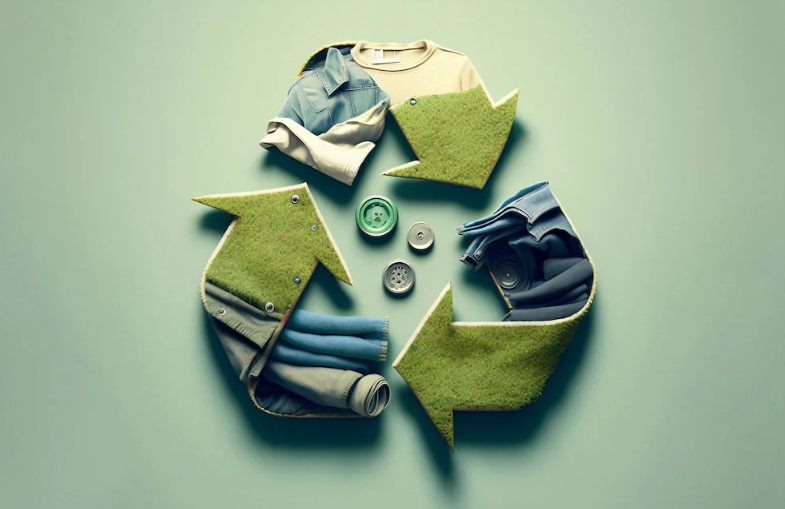
Defining Sustainability in Fabrics
Sustainability in clothing materials involves low environmental impact during production, use, and disposal. Environmentally friendly clothing materials are often biodegradable, renewable, or recycled, reducing reliance on non-renewable resources. They also require less water, energy, and harmful chemicals compared to conventional fabrics. For instance, producing a pair of Men's Cotton Suit Pants with sustainable fabrics can significantly lower carbon emissions.
Why Choose Environmentally Friendly Clothing Materials?
Opting for environmentally friendly clothing materials benefits both the planet and consumers. These materials reduce pollution, conserve resources, and often offer superior durability and comfort. They align with growing consumer demand for ethical fashion, ensuring products like Men's Cotton Suit Pants are stylish, functional, and eco-conscious. Choosing such materials supports a circular economy and reduces landfill waste.
Top Environmentally Friendly Clothing Materials
Several fabrics stand out as environmentally friendly clothing materials due to their sustainable production processes and minimal ecological footprint. Below, we explore the most prominent options, their benefits, and their applications in modern fashion.
Organic Cotton
Organic cotton is one of the most popular environmentally friendly clothing materials. Unlike conventional cotton, it is grown without synthetic pesticides or fertilizers, reducing soil and water contamination. Organic cotton farming uses up to 90% less water, making it a resource-efficient choice. Its soft, breathable texture is ideal for garments like Men's Cotton Suit Pants, offering comfort and durability while supporting sustainable agriculture.
Organic cotton is one of the most popular environmentally friendly clothing materials. Unlike conventional cotton, it is grown without synthetic pesticides or fertilizers, reducing soil and water contamination. Organic cotton farming uses up to 90% less water, making it a resource-efficient choice. Its soft, breathable texture is ideal for garments like Men's Cotton Suit Pants, offering comfort and durability while supporting sustainable agriculture.
Hemp
Hemp is a highly sustainable fabric, requiring minimal water and no pesticides to grow. It is one of the most durable environmentally friendly clothing materials, with fibers that are stronger than cotton. Hemp’s versatility makes it suitable for trousers, shirts, and jackets. Its biodegradability and low environmental impact make it a top choice for eco-conscious fashion brands aiming to reduce their carbon footprint.
Hemp is a highly sustainable fabric, requiring minimal water and no pesticides to grow. It is one of the most durable environmentally friendly clothing materials, with fibers that are stronger than cotton. Hemp’s versatility makes it suitable for trousers, shirts, and jackets. Its biodegradability and low environmental impact make it a top choice for eco-conscious fashion brands aiming to reduce their carbon footprint.
Recycled Polyester
Recycled polyester, made from post-consumer plastic bottles, is an innovative environmentally friendly clothing material. It reduces plastic waste and requires less energy than virgin polyester production. While not biodegradable, recycled polyester is durable and versatile, often used in blends for tailored garments. Its adoption in the fashion industry helps divert waste from landfills, making it a practical choice for sustainable clothing.
Recycled polyester, made from post-consumer plastic bottles, is an innovative environmentally friendly clothing material. It reduces plastic waste and requires less energy than virgin polyester production. While not biodegradable, recycled polyester is durable and versatile, often used in blends for tailored garments. Its adoption in the fashion industry helps divert waste from landfills, making it a practical choice for sustainable clothing.
Tencel (Lyocell)
Tencel, a brand of lyocell, is a biodegradable fabric made from sustainably sourced wood pulp. Its closed-loop production process recycles water and solvents, minimizing waste. Tencel is soft, breathable, and moisture-wicking, making it ideal for comfortable, eco-friendly clothing. As an environmentally friendly clothing material, Tencel is increasingly used in high-quality trousers and shirts, offering a luxurious feel with minimal environmental impact.
Tencel, a brand of lyocell, is a biodegradable fabric made from sustainably sourced wood pulp. Its closed-loop production process recycles water and solvents, minimizing waste. Tencel is soft, breathable, and moisture-wicking, making it ideal for comfortable, eco-friendly clothing. As an environmentally friendly clothing material, Tencel is increasingly used in high-quality trousers and shirts, offering a luxurious feel with minimal environmental impact.
Linen
Linen, derived from the flax plant, is another environmentally friendly clothing material. Flax requires little water and fewer pesticides than cotton, and every part of the plant is used, reducing waste. Linen is lightweight, breathable, and durable, making it perfect for warm-weather clothing. Its natural texture adds elegance to garments, supporting sustainable fashion without compromising style.
Linen, derived from the flax plant, is another environmentally friendly clothing material. Flax requires little water and fewer pesticides than cotton, and every part of the plant is used, reducing waste. Linen is lightweight, breathable, and durable, making it perfect for warm-weather clothing. Its natural texture adds elegance to garments, supporting sustainable fashion without compromising style.
Comparing Environmental Impacts
To choose the best environmentally friendly clothing materials, it’s essential to compare their environmental impacts. This section examines key factors like water usage, energy consumption, and biodegradability.
Water and Energy Efficiency
Organic cotton and hemp are leaders in water efficiency among environmentally friendly clothing materials. Hemp, for instance, uses up to 50% less water than conventional cotton. Tencel’s closed-loop system also conserves water, while recycled polyester reduces energy use compared to virgin polyester. These factors make such materials ideal for sustainable production of garments like trousers.
Biodegradability and End-of-Life Impact
Biodegradable materials like organic cotton, hemp, Tencel, and linen break down naturally, reducing landfill waste. Recycled polyester, while not biodegradable, supports a circular economy by reusing existing materials. Choosing biodegradable environmentally friendly clothing materials ensures that clothing has a minimal environmental footprint at the end of its lifecycle.
Challenges in Adopting Environmentally Friendly Clothing Materials
While environmentally friendly clothing materials offer significant benefits, their adoption faces challenges. Understanding these obstacles helps consumers and brands make informed decisions.
Cost and Accessibility
Sustainable fabrics like organic cotton and Tencel can be more expensive due to higher production costs and certifications. This can limit accessibility for some consumers. However, as demand grows, economies of scale are reducing costs, making environmentally friendly clothing materials more affordable for producing items like trousers and suits.
Scalability and Supply Chain Issues
Scaling up production of environmentally friendly clothing materials requires investment in sustainable farming and manufacturing. Supply chain transparency is also critical, as ethical sourcing ensures materials meet environmental standards. Brands must navigate these challenges to maintain quality and sustainability in their products.
The Future of Environmentally Friendly Clothing Materials
The fashion industry is evolving, with environmentally friendly clothing materials at the forefront of innovation. Advances in technology and consumer awareness are driving the adoption of sustainable fabrics.
Innovations in Sustainable Fabrics
Emerging environmentally friendly clothing materials, such as lab-grown fibers and bio-based synthetics, promise even lower environmental impacts. For example, mushroom leather and seaweed-based fabrics are gaining traction as biodegradable alternatives. These innovations could revolutionize the production of stylish, sustainable clothing.
Consumer Demand and Industry Shifts
Growing consumer demand for sustainability is pushing brands to prioritize environmentally friendly clothing materials. Certifications like GOTS (Global Organic Textile Standard) and OEKO-TEX ensure transparency and trust. As more brands adopt these materials, the industry moves closer to a sustainable future, benefiting both the environment and consumers.
Practical Tips for Choosing Sustainable Clothing
Consumers can make a difference by selecting clothing made from environmentally friendly clothing materials. Here are practical tips to guide your choices:
-
Check Labels: Look for certifications like GOTS or Fair Trade to ensure materials meet sustainability standards.
-
Prioritize Natural Fibers: Choose organic cotton, hemp, or linen for biodegradability and comfort.
-
Support Ethical Brands: Purchase from brands committed to sustainable practices and transparent supply chains.
-
Care for Your Clothes: Extend the life of garments by washing them in cold water and air-drying to reduce energy use.
By making informed choices, consumers can support the adoption of environmentally friendly clothing materials and contribute to a greener fashion industry.
Conclusion
Environmentally friendly clothing materials like organic cotton, hemp, recycled polyester, Tencel, and linen offer a sustainable path forward for the fashion industry. These fabrics balance style, durability, and environmental responsibility, making them ideal for creating high-quality garments. By understanding their benefits and challenges, consumers and brands can drive the shift toward a more sustainable future, ensuring fashion is both elegant and eco-conscious.
Is Polyamide Fabric Waterproof in a Washing Machine?
Is Viscose a Sustainable Fabric?
Related Article

Quality clothing is an investment. Whether you reach for breathable linen trousers for warm spring and summer days, or sturdy denim jeans for everyday casual styling, proper care is the key to keeping their original texture, color, fit and comfort over time. Linen and denim are beloved wardrobe essentials, yet they behave very differently during washing and storage.
Care Guide: Washing & Maintenance Tips for Linen Trousers and Denim Jeans

Have you ever wondered what goes into every pair of RE&X pants before they land in your wardrobe? Today, we pull back the curtain and take you through our complete design process, captured frame by frame in our studio.
Behind The Scenes: The Full Design Journey of RE&X Pants

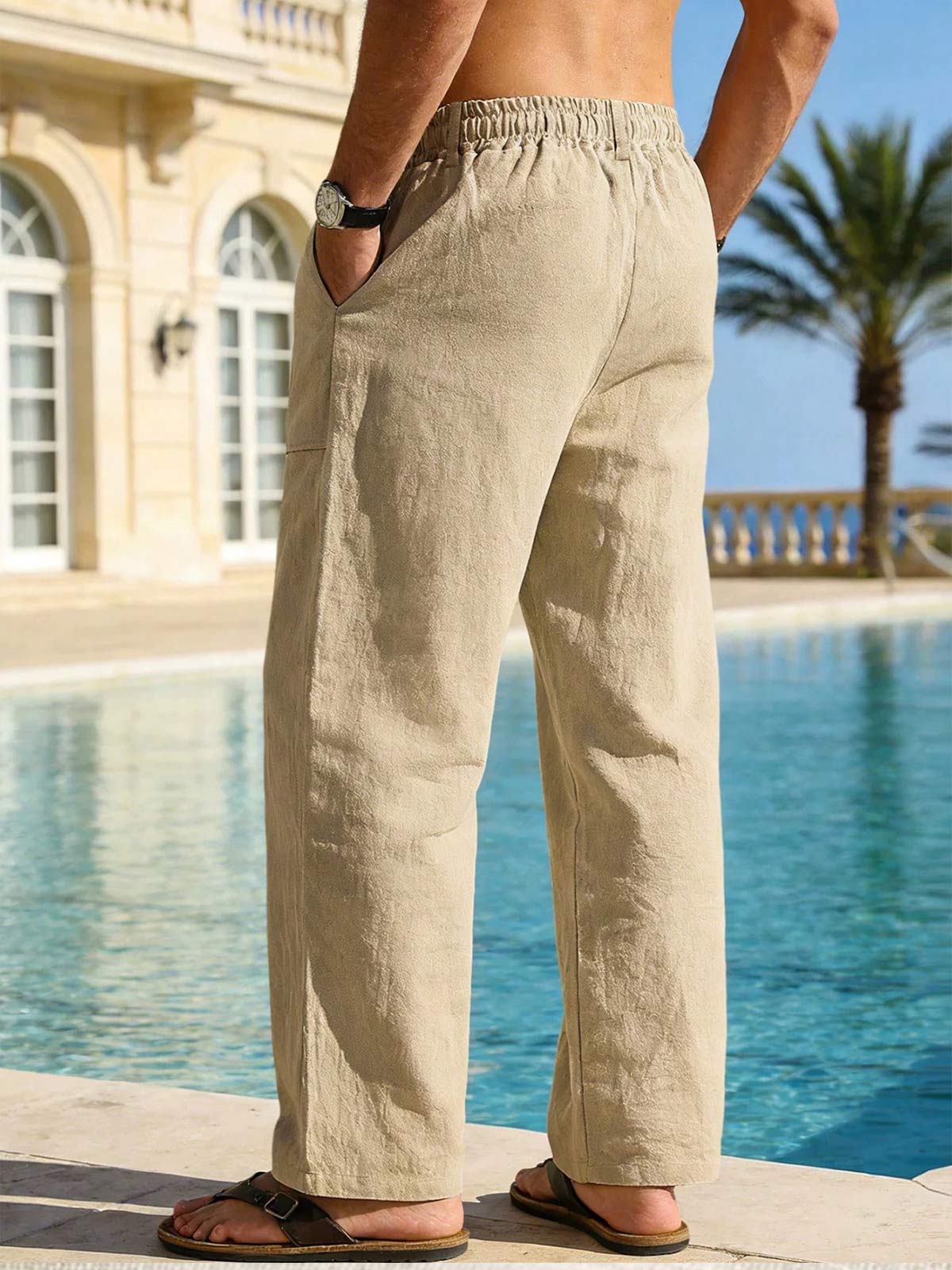
As spring blooms and summer heat sets in, updating your wardrobe with breathable, season-friendly pieces becomes essential. Among all warm-weather essentials, men’s linen trousers remain an irreplaceable staple for gentlemen who pursue comfort, texture, and timeless style.
Men’s Linen Trousers: 4 Spring & Summer Outfit Ideas