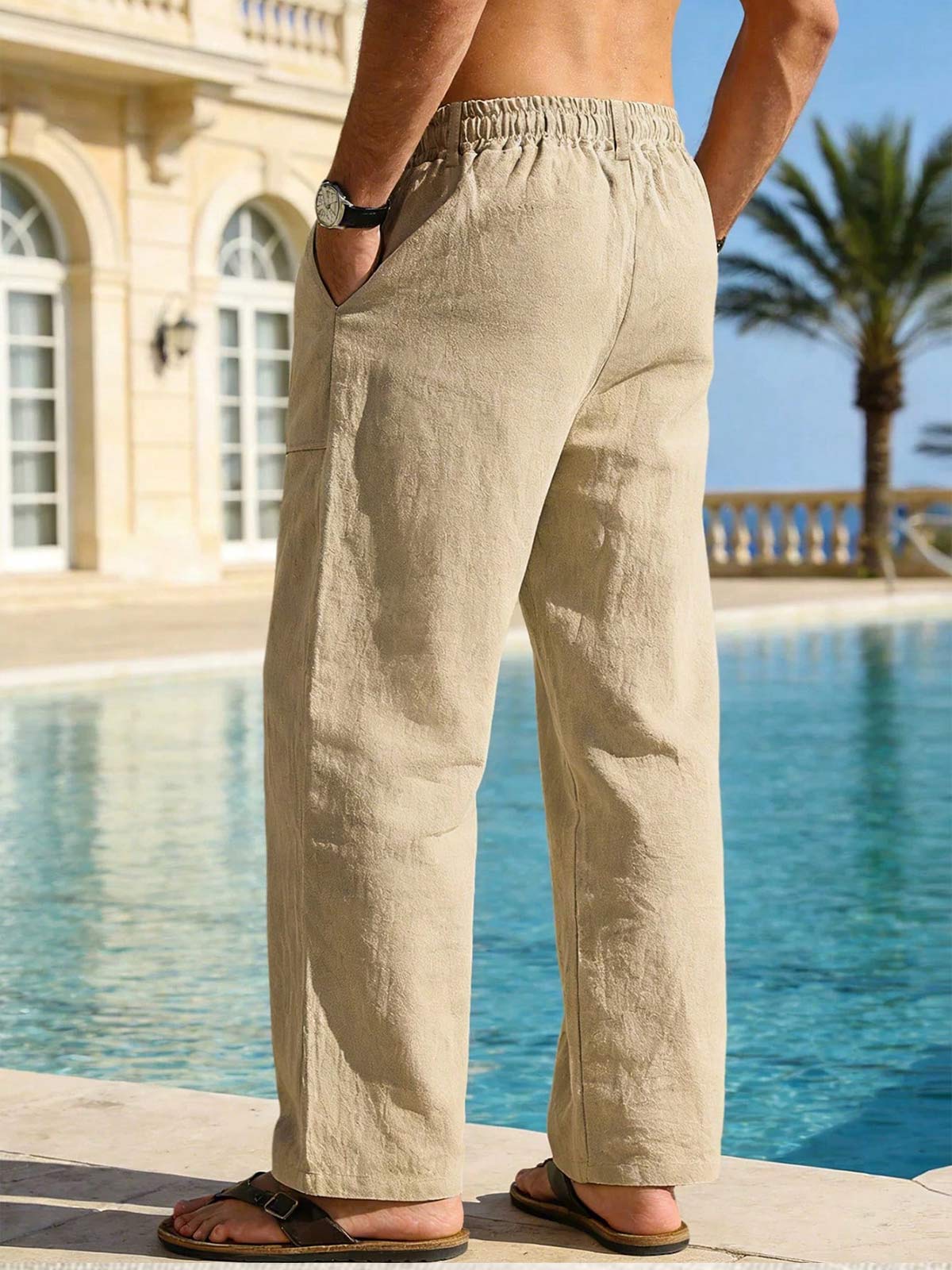
Care Guide: Washing & Maintenance Tips for Linen Trousers and Denim Jeans
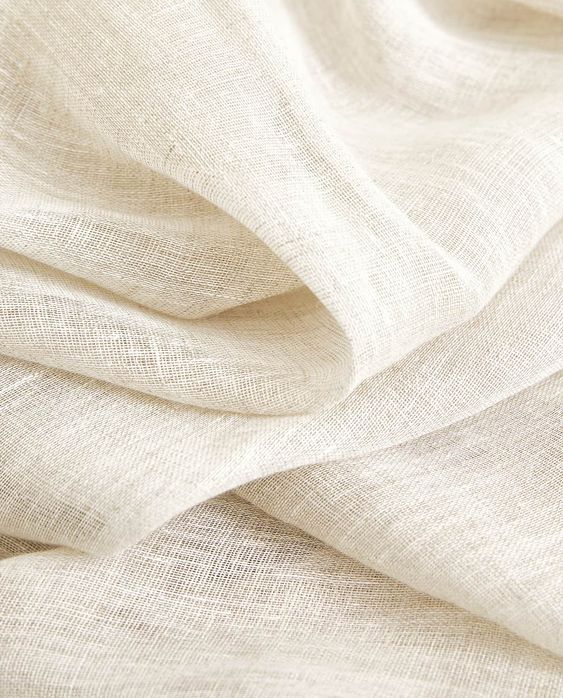
Wrong laundry habits can cause irreversible issues: unexpected shrinkage, uneven fading, weakened fibers, loss of shape, yellowing and frayed stitching. This guide walks you through tailored care routines, so your favorite bottoms stay in great condition wear after wear.
How to Care for Linen Pants

Linen is a natural fiber celebrated for its lightweight feel and excellent breathability, but it is more delicate than many synthetic fabrics. Always opt for cold water washing. Hand washing is the gentlest choice; if you use a washing machine, select the delicate or gentle cycle and place linen inside a mesh laundry bag to reduce friction.
Pick a mild, pH-neutral detergent free from bleach, enzymes and harsh whitening agents. Bleach will break down linen fibers quickly and leave permanent yellow marks.
Do not soak linen trousers for hours. A short soak of 10 to 15 minutes is enough to loosen dirt. Never wring or twist the fabric forcefully to remove water, as this creates deep, stubborn creases and damages the fiber structure. Press the fabric gently between a clean towel to absorb excess moisture.
Dry linen in a cool, shaded, well-ventilated area. Direct sunlight is harmful: UV rays will yellow natural linen and make the fabric brittle. Gentle wrinkles are part of linen’s laid-back aesthetic. If you prefer a crisp look, iron while the fabric is still slightly damp with medium heat. Avoid high heat settings. When storing, hang linen pants on wide, padded hangers to prevent shoulder creases.
How to Care for Denim Jeans

Denim, especially dark-wash and raw denim, ages uniquely, and frequent washing speeds up unwanted fading and shrinkage. A good rule: wash only when necessary. For light odors, hang jeans in fresh air to refresh them instead of running a full wash cycle.
When washing is needed, turn your jeans completely inside out first. This protects the outer indigo dye from rubbing and fading. Wash with cold water and mild detergent. Keep dark denim separated from light-colored items, since indigo dye naturally bleeds at first.
Skip hot water, tumble dryers and high-temperature ironing. Heat is denim’s biggest threat, triggering shrinkage, distorting seams and accelerating color loss.
Hang jeans indoors to air dry. Avoid clothespins on visible areas, which can leave indent marks. If you need to smooth out wrinkles, use low heat or a fabric steamer. Do not overuse fabric softener on denim — it coats the cotton fibers, softens the sturdy denim texture and ruins the natural worn-in patina.
General Laundry Rules for Both Fabrics
Sort your laundry by color before starting a wash load. Keep dark pieces separate from whites and light neutrals. Steer clear of fabric softener for both linen and denim. It covers the fiber surface, reducing linen’s breathability and dulling denim’s natural finish.
Check pockets before washing to remove coins, keys and receipts that can tear the fabric. Store pants in a dry, airy closet. Keep them away from humid corners, which can lead to mildew and musty smells. If you won’t wear them for a long time, make sure they are fully clean and dry before storage.
Well-cared-for linen and denim grow better with time. Linen retains its cool, airy comfort, while denim develops a one-of-a-kind patina that tells your story. Follow these simple steps, and these timeless trousers will remain reliable staples in your wardrobe for seasons to come.
Behind The Scenes: The Full Design Journey of RE&X Pants
Related Article