
What Warm Hiking Trousers Are Good for Cold Weather?
author: Shirley Xie
2025-08-28
Hiking in cold weather requires preparation that goes beyond maps, backpacks, and boots. The lower body is particularly exposed to wind, snow, and moisture. Without the right clothing, body heat can be lost quickly, and even experienced hikers risk hypothermia. This makes warm hiking trousers one of the most essential gear choices for winter trekking.
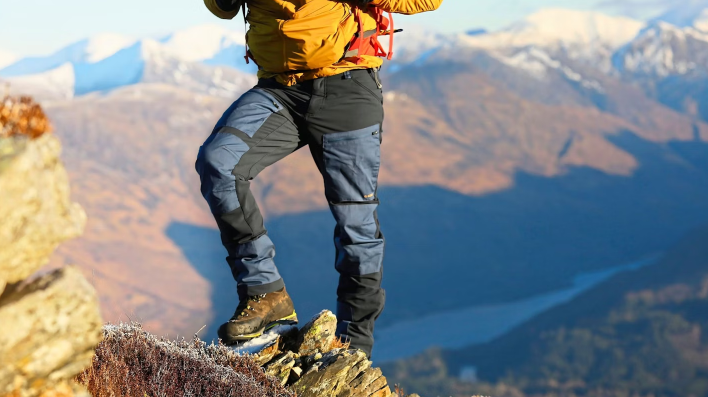
In this comprehensive guide, we will examine the characteristics of trousers suitable for cold-weather hiking, exploring fabrics, technologies, layering strategies, safety aspects, and expert recommendations.
Why Are Warm Hiking Trousers Essential in Cold Weather?
The body naturally loses heat through the extremities, and the legs are in constant motion, making them susceptible to wind chill and moisture. Warm hiking trousers are designed to maintain comfort and safety in such conditions.
-
Insulation: Retains body heat, reducing energy loss.
-
Moisture Management: Breathable layers wick sweat away, preventing chills.
-
Wind Protection: Prevents cold gusts from penetrating.
-
Mobility: Engineered for active movement on rough terrain.
What Fabrics Make the Best Warm Hiking Trousers?
The choice of fabric determines how trousers perform in extreme environments.
Synthetic Fabrics
-
Polyester/Nylon: Lightweight, abrasion-resistant, and quick-drying.
-
Softshell Materials: Combine breathability and weather resistance, ideal for active cold-weather hiking.
-
Fleece-Lined Synthetics: Offer warmth without heavy bulk.
Natural Fabrics
-
Wool: Merino wool in particular provides insulation, even when damp.
-
Cotton (Avoided): Holds moisture, dries slowly, and can cause dangerous chilling.
Hybrid Combinations
-
Modern warm hiking trousers often mix synthetic outer shells with wool or fleece linings, balancing durability, warmth, and flexibility.
How Do Layering Systems Improve Warm Hiking Trousers?
Layering creates adaptability in shifting mountain climates.
-
Base Layer: Worn under trousers, usually merino wool or synthetic thermals.
-
Insulating Layer: Adds warmth, often removable fleece linings.
-
Outer Shell: Protects against wind, snow, and rain.
This three-tier system allows hikers to adjust insulation without overheating.
What Features Should Warm Hiking Trousers Have?
Modern designs go far beyond simple insulation. Key features include:
-
Water Resistance: Durable water-repellent (DWR) coatings prevent saturation.
-
Windproof Panels: Reinforced areas shield thighs and shins.
-
Breathability: Prevents excess sweating during climbs.
-
Stretch Materials: Enhance flexibility for uneven terrain.
-
Adjustable Cuffs and Waistbands: Seal out cold drafts.
-
Strategic Pockets: Provide storage without compromising insulation.
-
Ventilation Zippers: Allow controlled cooling when needed.
What Are the Types of Warm Hiking Trousers?
Softshell Warm Hiking Trousers
-
Weather-resistant, flexible, breathable.
-
Suitable for active hikes in cold but dry conditions.
Hardshell Trousers
-
Fully waterproof, often used with thermal base layers.
-
Ideal for snowy or stormy hikes.
Insulated Trousers
-
Built-in thermal linings, often synthetic.
-
Best for extreme cold or low-intensity hikes.
Convertible or Layered Designs
-
Zip-off liners or detachable insulation.
-
Provide adaptability for variable weather.
How to Choose Warm Hiking Trousers for Different Conditions?
For Snow Hiking
-
Insulated, waterproof designs with reinforced knees and cuffs are essential.
For Windy and Wet Trails
-
Focus on windproof fabrics and sealed seams.
For Mountain Expeditions
-
Combine thermal base layers with hardshell trousers for full protection.
For Long Treks
-
Lightweight designs with breathability balance endurance and comfort.
How Do Warm Hiking Trousers Improve Safety?
Beyond comfort, trousers serve critical protective functions:
-
Prevent Frostbite: Keep limbs insulated.
-
Reduce Hypothermia Risk: Trap body heat effectively.
-
Improve Visibility: Some trousers include reflective details.
-
Enable Quick Mobility: Lightweight designs allow efficient movement during emergencies.
What Accessories Complement Warm Hiking Trousers?
To maximize performance, pair trousers with complementary gear:
-
Gaiters: Stop snow from entering boots and trousers.
-
Thermal Base Layers: Provide foundational warmth.
-
Overtrousers: Add an extra waterproof barrier.
-
Reinforced Knee Pads: Useful for ice climbing or kneeling in snow.
How Do Warm Hiking Trousers Compare With Regular Pants?
-
Regular Pants: Focus on style or daily comfort.
-
Warm Hiking Trousers: Engineered for performance—thermal efficiency, weather resistance, mobility.
Brands like RE&X demonstrate how functionality and timeless design can merge, offering trousers that are practical yet stylish.
Common Mistakes in Choosing Warm Hiking Trousers
-
Selecting Cotton: Retains moisture and chills the body.
-
Over-Insulation: Leads to sweating and discomfort.
-
Incorrect Fit: Loose trousers let in drafts; tight trousers restrict movement.
-
Ignoring Layering: Relying on one thick layer reduces adaptability.
How to Care for Warm Hiking Trousers?
-
Washing: Use gentle cycles, follow manufacturer’s guidelines.
-
Drying: Air dry; avoid high heat that damages coatings.
-
Reapply DWR Coatings: Maintain water repellency.
-
Storage: Avoid compressing insulated fabrics for long periods.
Proper care extends the lifespan of trousers, ensuring reliable performance for years.
What Is the Future of Warm Hiking Trousers?
Advances in textile technology are shaping next-generation trousers.
-
Eco-Friendly Materials: Reflecting global sustainability goals.
-
Smart Fabrics: Adaptive insulation that responds to temperature changes.
-
Enhanced Durability: Fibers designed for long-term rugged use.
-
Style Integration: Blending performance with everyday wear.
RE&X, for example, emphasizes eco-conscious materials while maintaining functionality—an approach increasingly common among premium outdoor brands.
Conclusion
For hikers braving the cold, trousers are not merely clothing but survival gear. Warm hiking trousers offer insulation, mobility, and protection, ensuring both safety and comfort on the trail. By focusing on fabrics, layering, and advanced features, outdoor enthusiasts can choose trousers that meet the specific challenges of snow, wind, or mountain conditions. With constant innovation in textiles and sustainable design, the future promises trousers that are not only functional but also environmentally responsible and stylish.
How to Choose the Most Flattering Comfortable High Waisted Jeans to Hide Belly Fat?
What Are the Disadvantages of Microfiber Waterproof Fabric?
Related Article

Quality clothing is an investment. Whether you reach for breathable linen trousers for warm spring and summer days, or sturdy denim jeans for everyday casual styling, proper care is the key to keeping their original texture, color, fit and comfort over time. Linen and denim are beloved wardrobe essentials, yet they behave very differently during washing and storage.
Care Guide: Washing & Maintenance Tips for Linen Trousers and Denim Jeans

Have you ever wondered what goes into every pair of RE&X pants before they land in your wardrobe? Today, we pull back the curtain and take you through our complete design process, captured frame by frame in our studio.
Behind The Scenes: The Full Design Journey of RE&X Pants

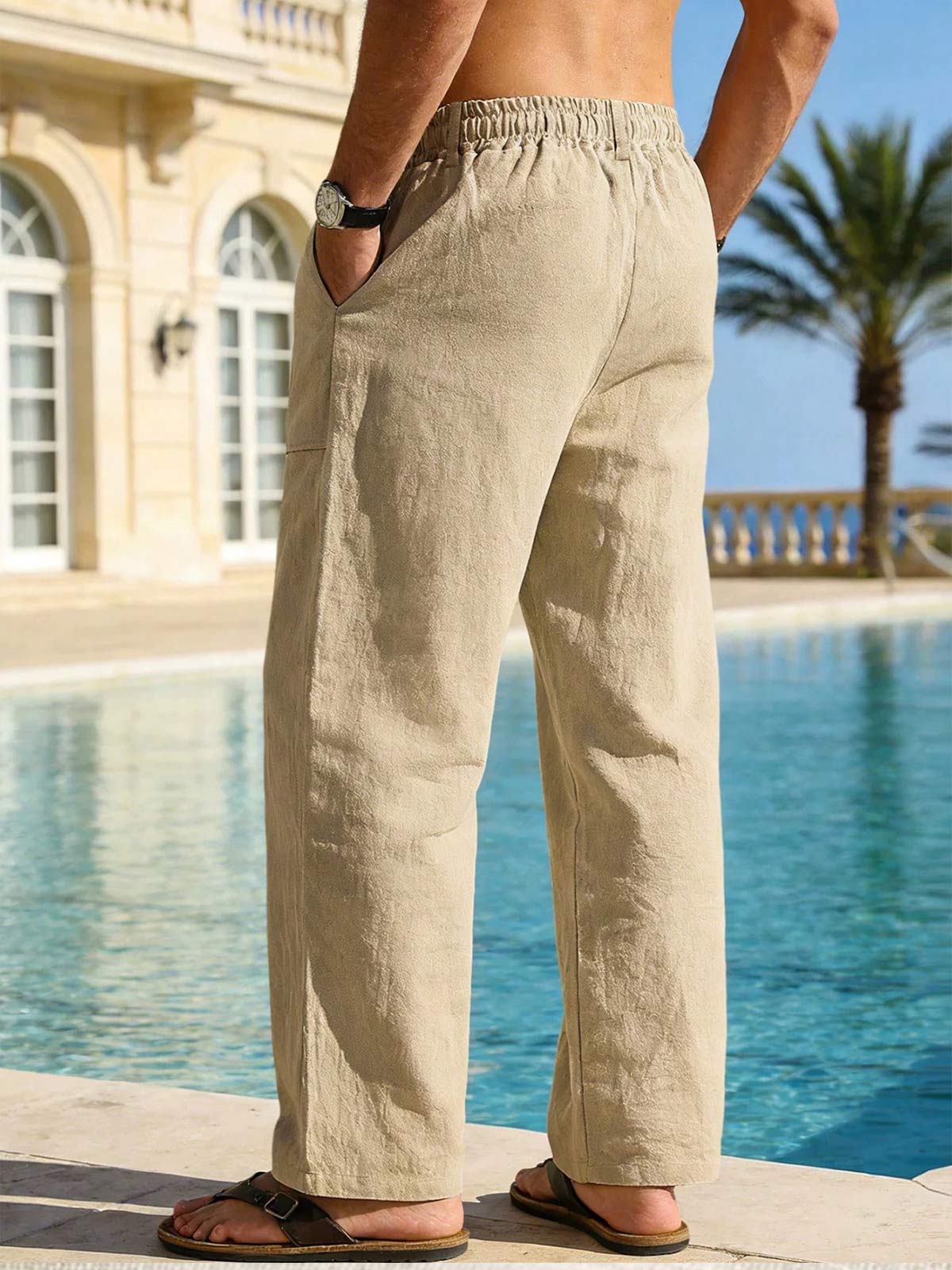
As spring blooms and summer heat sets in, updating your wardrobe with breathable, season-friendly pieces becomes essential. Among all warm-weather essentials, men’s linen trousers remain an irreplaceable staple for gentlemen who pursue comfort, texture, and timeless style.
Men’s Linen Trousers: 4 Spring & Summer Outfit Ideas