
What Is the Purpose of Pockets Design in Jeans?
author: Shirley Xie
2025-05-23
The Historical Roots of Pockets Design
The story of pockets design in jeans begins in the late 19th century, when denim emerged as durable workwear for laborers like miners, cowboys, and railroad workers. Levi Strauss & Co. pioneered this garment in the 1870s, introducing a pockets design that prioritized utility. The tiny pocket, often called the “watch pocket,” was a standout feature, seen in modern styles like the Men's Casual Five-Pockets Tapered Denim Jeans. It was crafted to hold pocket watches, essential for workers who needed to track time during long, grueling shifts. These watches, often secured with a chain, were valuable, and the tiny pocket’s snug fit ensured they remained safe amidst physical labor.
This practical approach to pockets design transformed jeans into indispensable tools. The tiny pocket, typically nestled within the right front pocket, was reinforced with heavy-duty stitching and, in some cases, metal rivets to withstand wear and tear. This durability was critical for workers in rugged environments, such as gold mines or cattle ranches. Brands like RE&X, established in 1998, have since drawn inspiration from this heritage, blending functionality with contemporary aesthetics to create timeless designs.
The broader pockets design included two front pockets, two back pockets, and the tiny pocket, forming the classic five-pocket structure still prevalent today. Each pocket served a specific purpose, from holding tools to storing small personal items, reflecting a thoughtful approach to functionality. The tiny pocket’s compact size made it ideal for securing delicate or valuable items, setting a precedent for pockets design that balanced accessibility and security.

Why the Tiny Pocket Was Essential
The tiny pocket’s primary role in early pockets design was to protect pocket watches, which were both functional and status symbols for workers. Its placement within the larger front pocket ensured watches were easily accessible yet secure, preventing loss during physically demanding tasks. This aspect of pockets design was particularly vital for miners, who needed to keep their timepieces safe while navigating dusty, rocky terrains. Beyond watches, the tiny pocket accommodated small items like coins, matches, or folding knives, catering to the diverse needs of laborers in the American West.
The pockets design in jeans, such as the Men's Casual Five-Pockets Tapered Denim Jeans, was engineered for efficiency. The tiny pocket’s shallow depth allowed workers to quickly retrieve items without fumbling, while its sturdy construction ensured durability. This balance of form and function made the tiny pocket a hallmark of early denim, influencing the design of subsequent generations of jeans. As jeans transitioned from workwear to everyday attire, the tiny pocket’s utility evolved, but its presence remained a nod to its practical origins.
Pockets Design in the 20th Century
By the mid-20th century, jeans had shifted from utilitarian garments to cultural icons, driven by their association with rebellion and youth culture. The pockets design, including the tiny pocket, adapted to this new context while retaining its core functionality. Hollywood stars like James Dean and Marlon Brando popularized jeans, elevating styles like the Men's Casual Five-Pockets Tapered Denim Jeans to fashion staples. Manufacturers began enhancing pockets design with aesthetic touches, such as contrast stitching, decorative rivets, or unique fabric linings, to appeal to a broader audience.
As pocket watches became obsolete with the rise of wristwatches, the tiny pocket found new purposes. In the 1950s and 1960s, it was used to hold lighters, guitar picks, or small change, reflecting the evolving needs of wearers. The pockets design remained a defining feature, with the tiny pocket serving as both a functional element and a nostalgic nod to denim’s roots. Manufacturers preserved this feature in their pockets design, recognizing its iconic status and its ability to differentiate jeans from other trousers.
The transition of jeans into mainstream fashion also prompted innovations in pockets design. Back pockets were enlarged to accommodate wallets, while front pockets were deepened for greater utility. The tiny pocket, though small, remained a focal point, often highlighted with embroidery or branding to enhance visual appeal. This blend of practicality and style ensured that pockets design continued to evolve without losing its connection to denim’s heritage.
Modern Innovations in Pockets Design
In the 21st century, pockets design in jeans reflects a fusion of tradition and innovation. The tiny pocket, still present in styles like the Men's Casual Five-Pockets Tapered Denim Jeans, now serves modern needs, holding items like earbuds, keys, or credit cards. Designers have refined pockets design with advanced materials, such as stretch denim or reinforced linings, to enhance comfort and durability. These innovations cater to active lifestyles, ensuring that pockets design remains functional in fast-paced, urban environments.
Sustainability has become a driving force in modern pockets design. Brands are increasingly using eco-friendly materials, such as organic cotton, recycled denim, or biodegradable fabrics, to create pockets that align with environmental consciousness. The tiny pocket, with its minimal material footprint, is well-suited to these efforts, often serving as a canvas for sustainable design innovations. For example, some brands incorporate recycled thread for stitching or use plant-based dyes to enhance the eco-appeal of their pockets design.
Ergonomic considerations have also shaped contemporary pockets design. Deeper front pockets prevent items from falling out, while reinforced seams ensure longevity. The tiny pocket, though small, is often customized with unique details like embroidered logos or patterned linings, adding a touch of individuality. These adaptations highlight how pockets design balances practicality with aesthetic appeal, maintaining the tiny pocket’s relevance in modern fashion.
The Cultural Impact of Pockets Design
The tiny pocket’s enduring presence in pockets design carries significant cultural weight. It serves as a link to denim’s working-class origins, evoking images of rugged miners and cowboys. In pop culture, the tiny pocket has been celebrated in music, film, and fashion editorials, often symbolizing the rebellious spirit of jeans. Its compact size inspires creative uses, from holding sentimental trinkets to serving as a space for artistic embellishments like patches or embroidery.
Pockets design also reflects broader fashion trends. Minimalist styles may streamline pockets for a sleek silhouette, while utilitarian designs emphasize larger, more functional pockets. The tiny pocket bridges these approaches, offering versatility that appeals to diverse audiences. In styles like the Men's Casual Five-Pockets Tapered Denim Jeans, it adds nostalgic charm while maintaining practical utility, making it a beloved feature in global fashion.
The tiny pocket’s cultural significance extends to its role in personal expression. Wearers often use it to store items with personal meaning, such as a lucky coin or a small keepsake. This emotional connection enhances the appeal of pockets design, making the tiny pocket more than a functional feature—it’s a symbol of individuality and heritage.
The Future of Pockets Design
Looking ahead, pockets design in jeans will continue to evolve in response to technological and cultural shifts. The tiny pocket could be adapted to hold tech accessories, such as fitness trackers, wireless chargers, or even smart cards, integrating seamlessly with wearable technology. Advances in smart textiles may lead to pockets design with built-in features like water resistance or RFID-blocking linings to protect digital payments.
Gender-neutral pockets design is also gaining traction, addressing the need for inclusive sizing and functionality. Designers are creating pockets that accommodate diverse body types and preferences, ensuring jeans remain accessible to all. The tiny pocket, with its universal appeal, will likely remain a staple, offering a compact space for both practical and decorative innovations.
Sustainability will continue to shape pockets design, with brands prioritizing ethical production methods and biodegradable materials. The tiny pocket’s small size makes it an ideal candidate for testing new eco-friendly fabrics or construction techniques. As consumer demand for sustainability grows, pockets design will play a key role in aligning jeans with environmental values, ensuring they remain relevant in a conscious fashion landscape.
Conclusion
The tiny pocket, a cornerstone of pockets design in jeans, embodies a rich blend of history, functionality, and style. Originally intended to hold pocket watches, it has adapted to modern needs while retaining its iconic status in styles like the Men's Casual Five-Pockets Tapered Denim Jeans. Its presence reflects the adaptability of pockets design, balancing practicality with aesthetic appeal. As jeans remain a global fashion staple, the tiny pocket serves as a reminder of their utilitarian roots and their capacity for innovation, ensuring its enduring place in denim’s legacy.
What Are the Key Trends in Modern Casual Fashion for Men in 2025?
Is 100% Cotton a Sustainable Fabric? Exploring Cotton Sustainability
Related Article

Quality clothing is an investment. Whether you reach for breathable linen trousers for warm spring and summer days, or sturdy denim jeans for everyday casual styling, proper care is the key to keeping their original texture, color, fit and comfort over time. Linen and denim are beloved wardrobe essentials, yet they behave very differently during washing and storage.
Care Guide: Washing & Maintenance Tips for Linen Trousers and Denim Jeans
Have you ever wondered what goes into every pair of RE&X pants before they land in your wardrobe? Today, we pull back the curtain and take you through our complete design process, captured frame by frame in our studio.
Behind The Scenes: The Full Design Journey of RE&X Pants

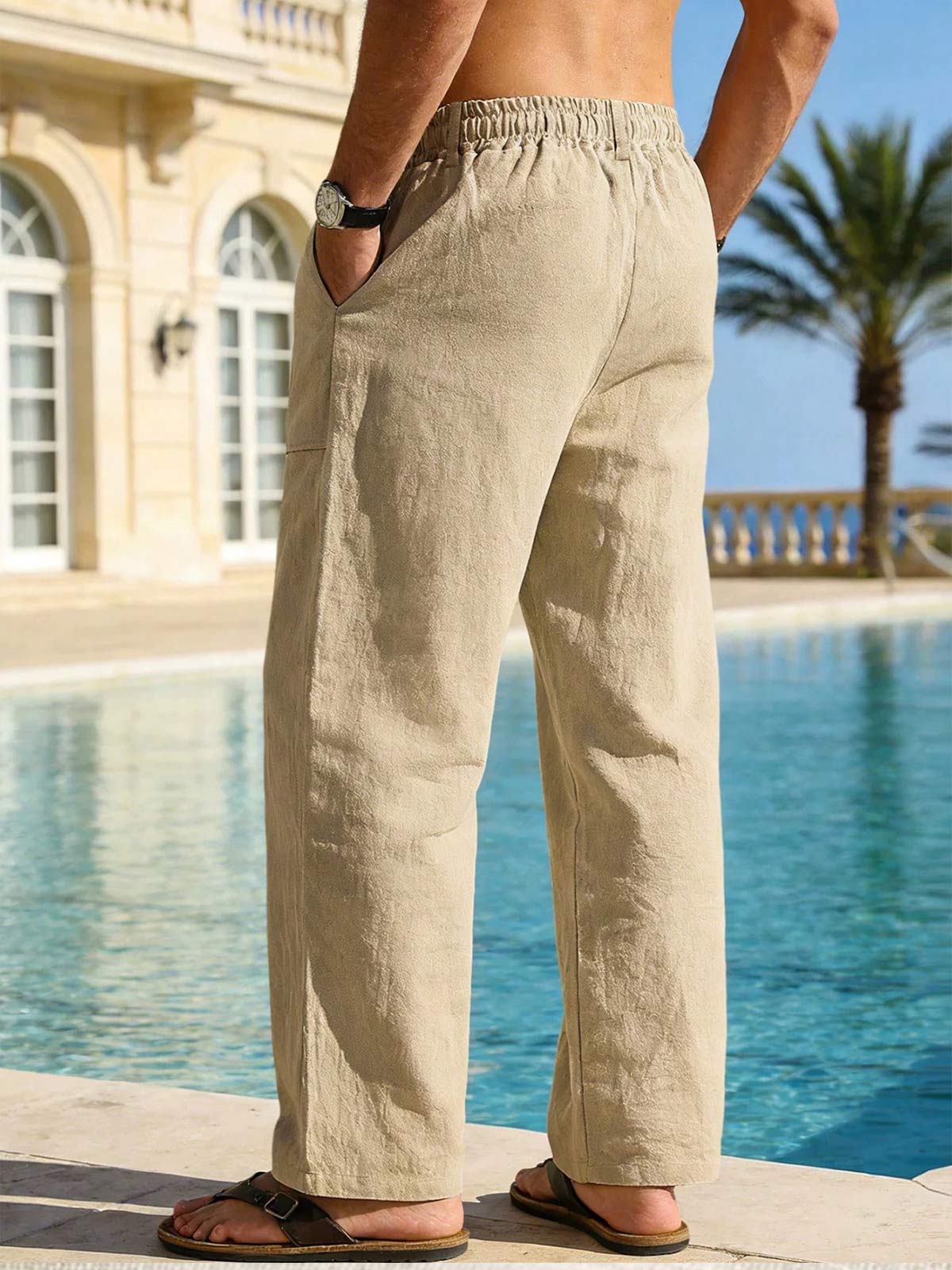
As spring blooms and summer heat sets in, updating your wardrobe with breathable, season-friendly pieces becomes essential. Among all warm-weather essentials, men’s linen trousers remain an irreplaceable staple for gentlemen who pursue comfort, texture, and timeless style.
Men’s Linen Trousers: 4 Spring & Summer Outfit Ideas