
What Is the Easiest Material to Sew for Beginners? Understanding Responsible Cotton
author: Shirley Xie
2025-08-08
Why Fabric Matters for Beginners
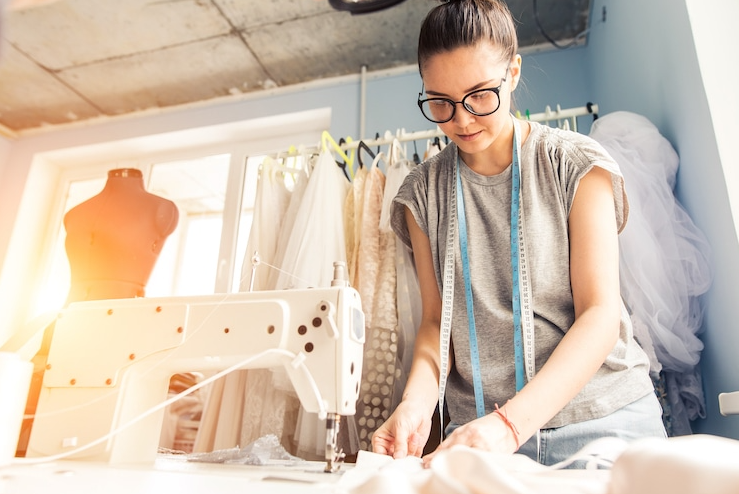
If you're new to sewing, choosing the right fabric can drastically improve your learning experience. Fabrics that stretch, fray, or slip can lead to frustration and discouragement. On the other hand, materials like responsible cotton offer the perfect balance of structure and softness, making them easy to work with.
What Is Responsible Cotton and Why Is It Beginner-Friendly?
Responsible cotton refers to cotton grown and processed with sustainable farming practices, ethical labor standards, and environmental care. But aside from its eco-conscious advantages, responsible cotton offers several beginner-friendly features:
-
Stability: It doesn’t stretch much, which helps you sew accurate seams.
-
Ease of handling: It holds its shape and doesn’t slide around while cutting or sewing.
-
Availability: Found in many fabric types, such as muslin, poplin, and broadcloth.
-
Affordability: It's cost-effective for practice without sacrificing quality.
-
Eco-friendly: GOTS or BCI-certified cotton helps reduce your carbon footprint.
Compared to synthetic options, responsible cotton is also more breathable, less slippery, and easier to iron—making it the top choice for practice and small projects.
Which Sewing Projects Are Ideal with Responsible Cotton?
Responsible cotton can be used for a variety of beginner projects. Here are some popular ideas:
-
Tote bags – Simple seams and strong structure.
-
Aprons – Easy construction and useful in daily life.
-
Envelope pillowcases – Teaches edge finishing and seam allowance.
-
Elastic waist skirts – Introduces gathering techniques.
-
Women's Cotton Straight-Leg Pants – A great intermediate project using cotton twill or poplin.
These projects help you get used to your sewing machine, build confidence, and see immediate results.
What Tools and Techniques Work Best for Responsible Cotton?
Essential Tools
-
Needles: Use a universal size 80/12 needle for medium-weight cotton.
-
Thread: All-purpose polyester or cotton thread works best.
-
Cutting tools: Rotary cutters or sharp fabric scissors.
-
Pins/clips: Cotton holds pins well and doesn't slip.
-
Iron: Essential for pressing seams and preparing fabric.
Sewing Tips for Success
-
Use a 2.5mm stitch length for regular seams.
-
Pre-wash your cotton to prevent post-sewing shrinkage.
-
Press every seam as you go—this builds good sewing habits.
-
Pin generously to ensure fabric layers stay aligned.
These tips help prevent puckering, misalignment, or stretching, which are common for beginners using unstable fabrics.
Common Mistakes to Avoid When Sewing Cotton
Even though responsible cotton is beginner-friendly, here are some pitfalls to avoid:
-
Skipping the pre-wash – Cotton can shrink after sewing.
-
Using dull tools – This causes frayed edges and inaccurate cuts.
-
Wrong needle size – Too large a needle may damage fine cotton; too small can skip stitches.
-
Ignoring grainline – Misaligned grain can distort shape.
-
Over-ironing – Excessive heat can scorch cotton.
Avoiding these errors ensures clean seams and helps your handmade items last longer.
Why Choose Responsible Cotton Over Other Fabrics?
Let’s compare:
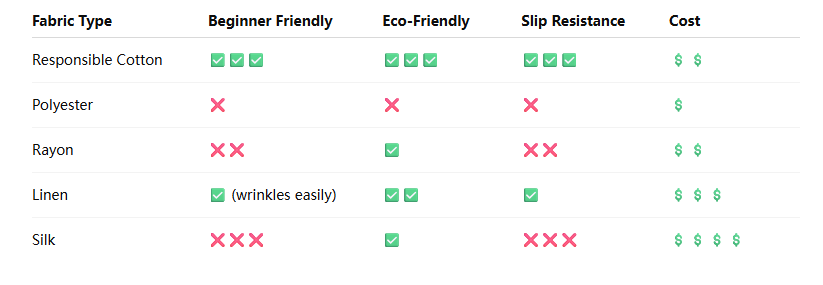
As the table shows, responsible cotton checks all the boxes for beginners.
How Are Fashion Brands Using Responsible Cotton?
More and more brands are turning to responsible cotton not only for sustainability but also for quality. One example is RE&X, a fashion label from Rome known for combining timeless tailoring with eco-conscious materials. Their focus on comfort and durability aligns with the practical advantages of responsibly sourced cotton, especially in essentials like shirts, trousers, and even Women's Cotton Straight-Leg Pants.
Where to Buy Responsible Cotton?
You can find high-quality responsible cotton in:
-
Local fabric stores with eco-conscious sections
-
Online retailers like Fabric.com, Mood Fabrics, and Spoonflower
-
Certified suppliers that carry GOTS or BCI-labeled fabrics
Look for terms like:
-
“Organic cotton”
-
“BCI certified cotton”
-
“GOTS certified cotton”
-
“Recycled cotton blend”
Final Thoughts: Is Responsible Cotton the Best Fabric for Sewing Beginners?
Absolutely. If you're looking for a fabric that’s easy to cut, doesn’t shift under the machine, holds a crease, and supports the planet—responsible cotton is your best bet.
Whether you’re sewing simple bags or stepping up to garments like Women's Cotton Straight-Leg Pants, this eco-friendly material will make the learning process smoother and more enjoyable.
If Wool Is Eco Friendly, What Are the Downsides?
How Does Side Pocket Design Impact the Functionality and Style of Men’s Trousers?
Related Article

Quality clothing is an investment. Whether you reach for breathable linen trousers for warm spring and summer days, or sturdy denim jeans for everyday casual styling, proper care is the key to keeping their original texture, color, fit and comfort over time. Linen and denim are beloved wardrobe essentials, yet they behave very differently during washing and storage.
Care Guide: Washing & Maintenance Tips for Linen Trousers and Denim Jeans

Have you ever wondered what goes into every pair of RE&X pants before they land in your wardrobe? Today, we pull back the curtain and take you through our complete design process, captured frame by frame in our studio.
Behind The Scenes: The Full Design Journey of RE&X Pants

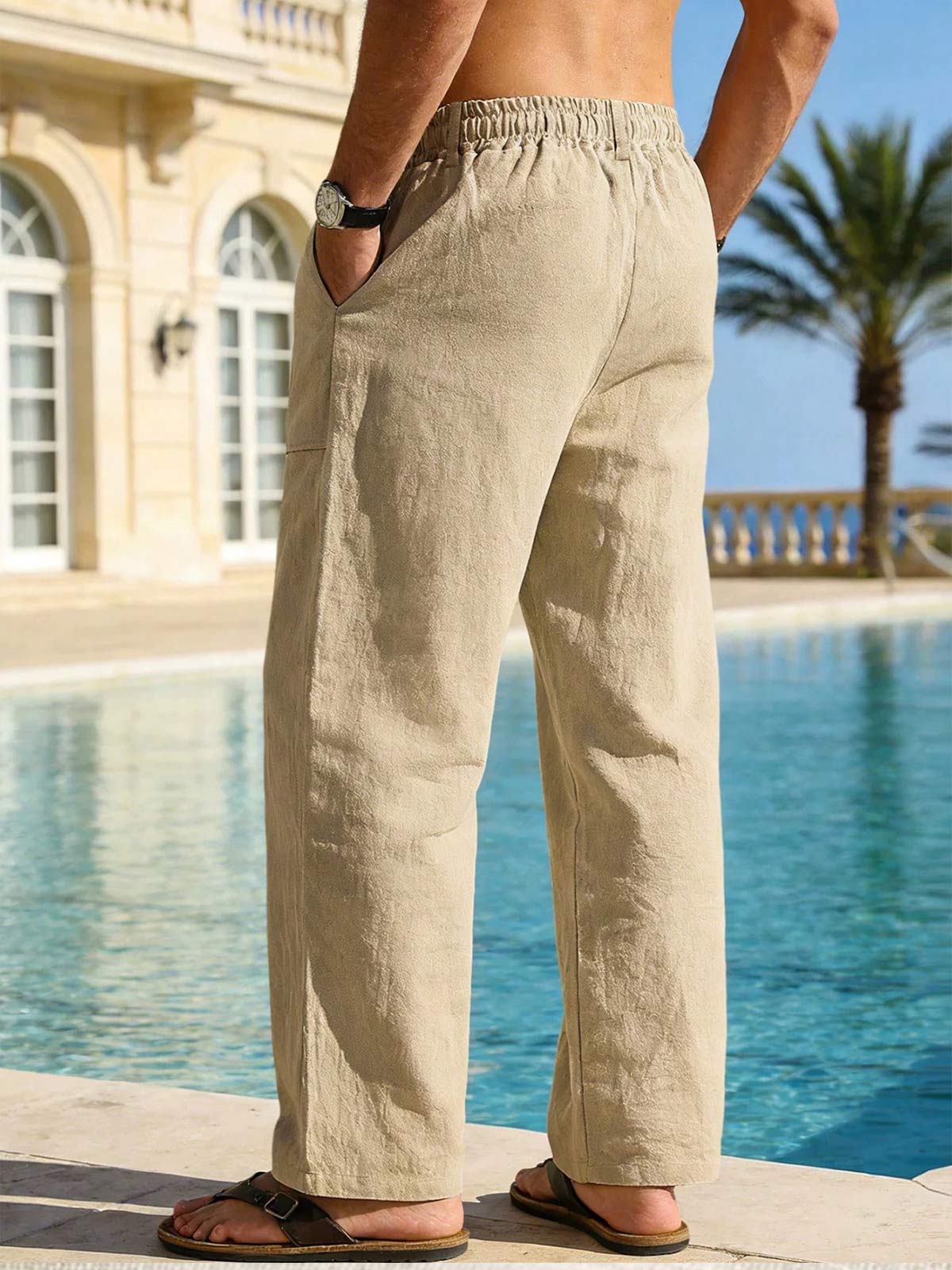
As spring blooms and summer heat sets in, updating your wardrobe with breathable, season-friendly pieces becomes essential. Among all warm-weather essentials, men’s linen trousers remain an irreplaceable staple for gentlemen who pursue comfort, texture, and timeless style.
Men’s Linen Trousers: 4 Spring & Summer Outfit Ideas