
What Is an Example of a Renewable Clothing Material?
author: Shirley Xie
2025-08-20
Renewable clothing materials are derived from resources that can naturally regenerate within a human lifespan, such as plants, animals, or recycled fibers. Unlike petroleum-based synthetics, renewable materials lower reliance on finite resources and reduce carbon footprints. They are integral to sustainable fashion, offering durability, biodegradability, and reduced waste. Common examples include cotton, hemp, bamboo, wool, and bio-based textiles.
Why Are Renewable Clothing Materials Important?
1. Addressing Environmental Concerns
-
The textile industry is one of the largest polluters globally.
-
Non-renewable fabrics like polyester contribute to microplastic pollution.
-
Renewable clothing material choices reduce dependency on fossil fuels.
2. Supporting Circular Economy
-
Renewable fibers are biodegradable, which reduces landfill waste.
-
They align with fashion circularity goals—reuse, recycle, and regenerate.
3. Consumer Awareness and Demand
-
Increasing demand for eco-conscious fashion.
-
Brands are responding with renewable material-based collections.
What Are the Most Common Examples of Renewable Clothing Materials?
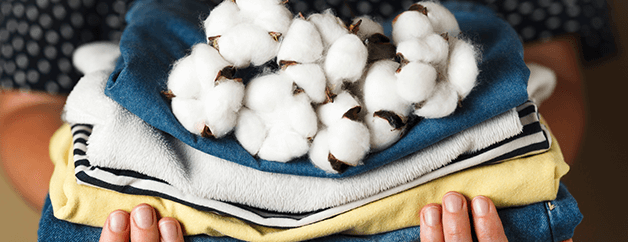
1. Cotton: The Timeless Choice
-
Derived from the cotton plant, it is biodegradable and renewable.
-
Organic cotton avoids harmful pesticides and reduces environmental stress.
-
Used in a wide variety of clothing, from T-shirts to denim.
Example: Women’s Cotton Straight-Leg Jeans are a popular product made from cotton, showcasing how renewable materials meet both comfort and style.
2. Hemp: The Strong Natural Fiber
-
Requires minimal water and pesticides.
-
Naturally resistant to pests and diseases.
-
Stronger than cotton and softens with use.
-
Used in shirts, trousers, and eco-friendly accessories.
3. Bamboo: Fast-Growing and Versatile
-
Grows rapidly without fertilizers.
-
Can be converted into viscose rayon or used in raw fiber form.
-
Breathable, moisture-wicking, and biodegradable.
-
Used in activewear, socks, and undergarments.
4. Wool: The Renewable Animal Fiber
-
Sourced from sheep, alpacas, or goats.
-
Naturally insulating, breathable, and long-lasting.
-
Fully biodegradable when untreated.
-
Applied in coats, sweaters, and formalwear.
5. Linen: The Ancient Fiber
-
Extracted from flax plants.
-
Requires less water and pesticides than cotton.
-
Highly breathable and durable.
-
Often used in summer clothing and home textiles.
6. Bio-Based and Innovative Fibers
-
Tencel/Lyocell: Made from sustainably harvested wood pulp.
-
Piñatex: Made from pineapple leaf fibers.
-
Orange Fiber: Derived from citrus waste.
-
Spider Silk (lab-grown): Biodegradable and ultra-strong.
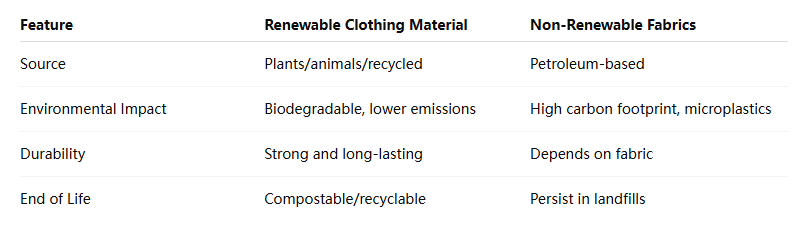
How Do Renewable Clothing Materials Compare to Non-Renewable Fabrics?
What Are the Challenges of Using Renewable Clothing Materials?
-
Higher Cost of Production – Organic and renewable textiles can be more expensive.
-
Limited Availability – Some materials are still niche (e.g., pineapple fiber).
-
Processing Methods – Certain renewable fibers (like bamboo rayon) require chemical processing.
-
Consumer Misconceptions – Many assume all natural fibers are automatically sustainable, which is not always true.
What Are the Benefits of Renewable Clothing Materials in Fashion?
-
Reduced environmental footprint.
-
Support for ethical and sustainable supply chains.
-
Appeal to eco-conscious consumers.
-
Innovations that blend style with responsibility.
Another example: Women’s Cotton Straight-Leg Jeans highlight how mainstream products can be designed with renewable fibers, balancing durability and fashion.
What Are Future Trends in Renewable Clothing Materials?
-
Circular Fashion Models – Recycling old clothing into new fibers.
-
Bioengineering Innovations – Lab-grown leather, spider silk.
-
Eco-Friendly Dyes – Plant-based and waterless dyeing techniques.
-
Integration of Smart Textiles – Combining renewable fibers with wearable technology.
Case Studies: Global Examples of Renewable Clothing Material Adoption
-
Stella McCartney – Uses organic cotton and lab-grown alternatives.
-
Patagonia – Champions recycled wool and hemp.
-
RE&X – Established in Rome, blending classic design with eco-friendly materials in its trousers, representing timeless elegance with environmental responsibility.
Conclusion: Why Renewable Clothing Materials Matter for the Future
Renewable clothing material options provide viable, eco-friendly alternatives to petroleum-based textiles. They offer durability, biodegradability, and style while supporting global sustainability goals. As technology evolves, renewable materials will play an even greater role in fashion, making them not just an option but a necessity for the industry’s future.
What Are the Disadvantages of Microfiber Waterproof Fabric?
If Wool Is Eco Friendly, What Are the Downsides?
Related Article

Quality clothing is an investment. Whether you reach for breathable linen trousers for warm spring and summer days, or sturdy denim jeans for everyday casual styling, proper care is the key to keeping their original texture, color, fit and comfort over time. Linen and denim are beloved wardrobe essentials, yet they behave very differently during washing and storage.
Care Guide: Washing & Maintenance Tips for Linen Trousers and Denim Jeans

Have you ever wondered what goes into every pair of RE&X pants before they land in your wardrobe? Today, we pull back the curtain and take you through our complete design process, captured frame by frame in our studio.
Behind The Scenes: The Full Design Journey of RE&X Pants

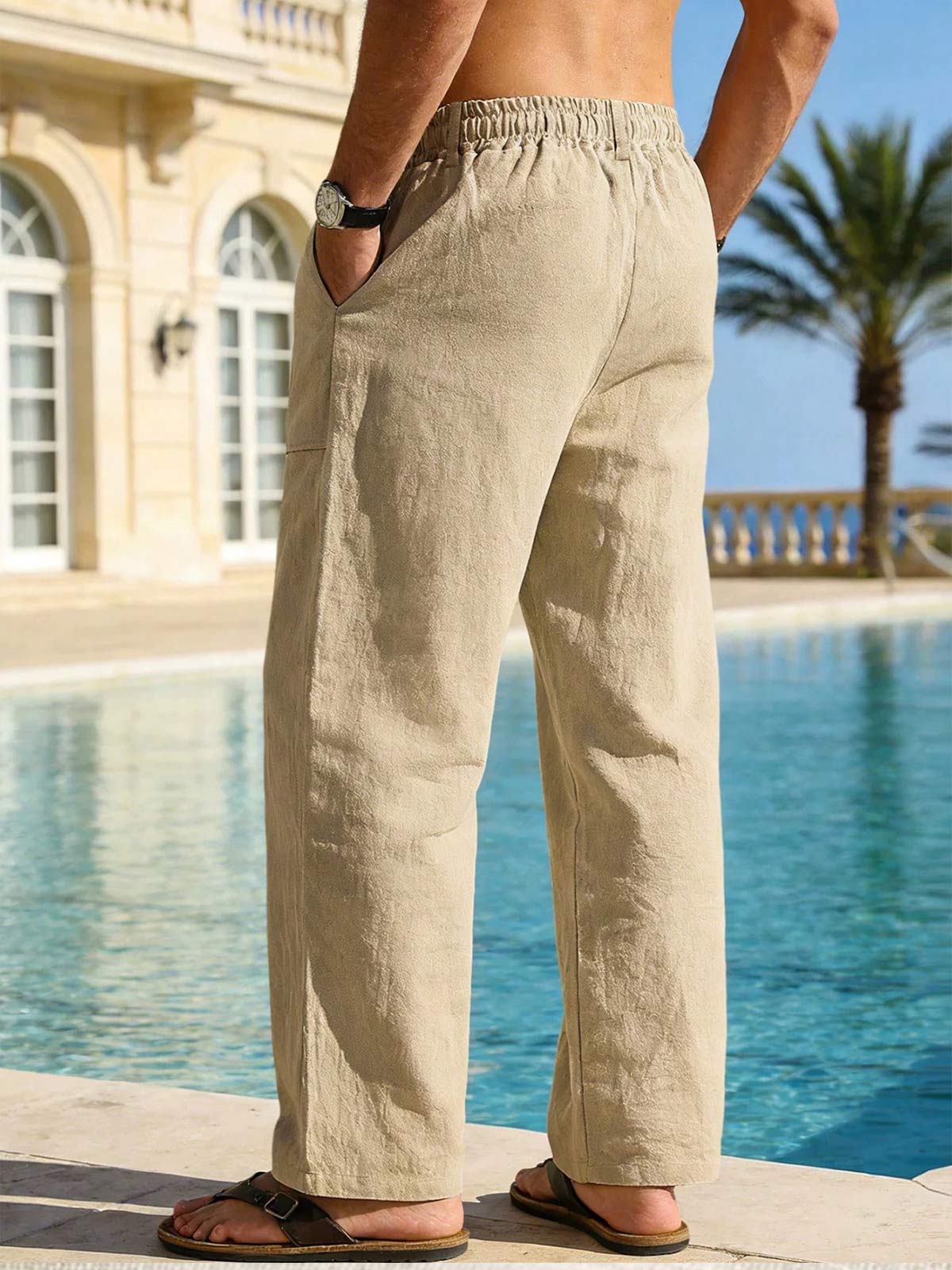
As spring blooms and summer heat sets in, updating your wardrobe with breathable, season-friendly pieces becomes essential. Among all warm-weather essentials, men’s linen trousers remain an irreplaceable staple for gentlemen who pursue comfort, texture, and timeless style.
Men’s Linen Trousers: 4 Spring & Summer Outfit Ideas