
What Are the Best Breathable Fabric Materials for Men’s Trousers in Sweaty Conditions?
author: Shirley Xie
2025-04-28
Introduction to Breathable Fabric Materials in Men’s Trousers
When it comes to staying comfortable in hot or sweaty conditions, the choice of fabric for men’s trousers is critical. Breathable fabric materials are designed to allow air circulation, wick moisture away from the skin, and maintain comfort during physical activity or warm weather. These materials align with the needs of modern consumers who value functionality, sustainability, and style in their clothing. For brands like RE&X, which prioritize timeless design and eco-friendly materials, selecting the right breathable fabric material is key to delivering high-quality trousers, such as the Men’s Cotton/Linen Breathable Casual Business Shorts.
This article delves into the properties, benefits, and applications of breathable fabric materials, offering insights into how they enhance comfort and performance for men who sweat a lot.

Properties of Breathable Fabric Materials
Breathable fabric materials are engineered to promote ventilation and moisture management, making them ideal for trousers worn in sweaty conditions. Understanding their key properties helps in selecting the best options for specific use cases.
Moisture-Wicking Capabilities
A hallmark of breathable fabric materials is their ability to wick moisture away from the skin. Fabrics like cotton and linen, used in the Men’s Cotton/Linen Breathable Casual Business Shorts, absorb sweat and allow it to evaporate quickly, keeping the wearer dry and comfortable. This is particularly important for men who engage in active lifestyles or work in warm environments.
A hallmark of breathable fabric materials is their ability to wick moisture away from the skin. Fabrics like cotton and linen, used in the Men’s Cotton/Linen Breathable Casual Business Shorts, absorb sweat and allow it to evaporate quickly, keeping the wearer dry and comfortable. This is particularly important for men who engage in active lifestyles or work in warm environments.
Air Permeability
Air permeability refers to a fabric’s ability to allow air to pass through its fibers. Breathable fabric materials, such as lightweight cotton blends or linen, have an open weave structure that facilitates airflow, reducing heat buildup. This property is essential for maintaining a cool and fresh feeling during prolonged wear.
Air permeability refers to a fabric’s ability to allow air to pass through its fibers. Breathable fabric materials, such as lightweight cotton blends or linen, have an open weave structure that facilitates airflow, reducing heat buildup. This property is essential for maintaining a cool and fresh feeling during prolonged wear.
Lightweight and Soft Texture
Breathable fabric materials are often lightweight, ensuring ease of movement and comfort. Soft textures, like those found in high-quality cotton-linen blends, prevent irritation, even during extended periods of sweating. The Men’s Cotton/Linen Breathable Casual Business Shorts exemplify this balance of lightweight construction and soft, skin-friendly fabric.
Breathable fabric materials are often lightweight, ensuring ease of movement and comfort. Soft textures, like those found in high-quality cotton-linen blends, prevent irritation, even during extended periods of sweating. The Men’s Cotton/Linen Breathable Casual Business Shorts exemplify this balance of lightweight construction and soft, skin-friendly fabric.
Eco-Friendly Composition
Sustainability is a growing concern in fashion, and many breathable fabric materials are now sourced from eco-friendly fibers. Natural fibers like organic cotton and linen are biodegradable and require fewer chemical inputs during production, aligning with environmentally responsible practices.
Sustainability is a growing concern in fashion, and many breathable fabric materials are now sourced from eco-friendly fibers. Natural fibers like organic cotton and linen are biodegradable and require fewer chemical inputs during production, aligning with environmentally responsible practices.
Top Breathable Fabric Materials for Sweaty Conditions
Several breathable fabric materials stand out for their performance in men’s trousers, particularly for those who sweat a lot. Below are the most effective options, each with unique benefits.
Cotton: The Classic Choice
Cotton is a widely used breathable fabric material due to its natural absorbency and softness. Organic cotton, in particular, is a sustainable option that offers excellent moisture-wicking properties. When blended with other fibers, cotton enhances the breathability of trousers, making it ideal for casual and business settings. The Men’s Cotton/Linen Breathable Casual Business Shorts leverage cotton’s natural properties to provide comfort in sweaty conditions.
Cotton is a widely used breathable fabric material due to its natural absorbency and softness. Organic cotton, in particular, is a sustainable option that offers excellent moisture-wicking properties. When blended with other fibers, cotton enhances the breathability of trousers, making it ideal for casual and business settings. The Men’s Cotton/Linen Breathable Casual Business Shorts leverage cotton’s natural properties to provide comfort in sweaty conditions.
Linen: The Ultimate in Airiness
Linen is renowned for its exceptional breathability and lightweight feel. Its loose weave allows for maximum air circulation, making it a top choice for hot and humid environments. Linen’s natural texture adds a sophisticated, relaxed aesthetic to trousers, perfect for summer business casual looks. When combined with cotton, as in certain designs, linen enhances both style and functionality.
Linen is renowned for its exceptional breathability and lightweight feel. Its loose weave allows for maximum air circulation, making it a top choice for hot and humid environments. Linen’s natural texture adds a sophisticated, relaxed aesthetic to trousers, perfect for summer business casual looks. When combined with cotton, as in certain designs, linen enhances both style and functionality.
Bamboo Fabric: Soft and Sustainable
Bamboo-derived fabrics, such as bamboo viscose, are gaining popularity as breathable fabric materials. Bamboo is naturally moisture-wicking and has antimicrobial properties, reducing odor during sweating. Its silky texture provides a luxurious feel, while its eco-friendly cultivation makes it a sustainable choice for environmentally conscious consumers.
Bamboo-derived fabrics, such as bamboo viscose, are gaining popularity as breathable fabric materials. Bamboo is naturally moisture-wicking and has antimicrobial properties, reducing odor during sweating. Its silky texture provides a luxurious feel, while its eco-friendly cultivation makes it a sustainable choice for environmentally conscious consumers.
Synthetic Blends: Performance-Driven Options
While natural fibers dominate, synthetic blends like polyester-cotton or nylon-elastane can be engineered for breathability. These blends often incorporate moisture-wicking technology and stretch for added comfort. However, their environmental impact may be higher, so opting for recycled synthetics can align with sustainability goals.
While natural fibers dominate, synthetic blends like polyester-cotton or nylon-elastane can be engineered for breathability. These blends often incorporate moisture-wicking technology and stretch for added comfort. However, their environmental impact may be higher, so opting for recycled synthetics can align with sustainability goals.
Applications of Breathable Fabric Materials in Men’s Trousers
Breathable fabric materials are versatile, catering to various scenarios where sweating is a concern. Their integration into trousers enhances functionality across different contexts.
Everyday Casual Wear
For daily wear, breathable fabric materials like cotton and linen provide comfort during errands, social outings, or casual work-from-home settings. Trousers made from these fabrics keep men cool and dry, even during unexpected heatwaves.
For daily wear, breathable fabric materials like cotton and linen provide comfort during errands, social outings, or casual work-from-home settings. Trousers made from these fabrics keep men cool and dry, even during unexpected heatwaves.
Business Casual Environments
In professional settings, breathable fabric materials maintain a polished appearance while ensuring comfort. The Men’s Cotton/Linen Breathable Casual Business Shorts are an excellent example, offering a tailored fit and breathability for summer meetings or office environments where air conditioning may be limited.
In professional settings, breathable fabric materials maintain a polished appearance while ensuring comfort. The Men’s Cotton/Linen Breathable Casual Business Shorts are an excellent example, offering a tailored fit and breathability for summer meetings or office environments where air conditioning may be limited.
Outdoor Activities and Travel
For outdoor pursuits or travel, breathable fabric materials are essential to combat sweat and maintain mobility. Lightweight trousers made from bamboo or cotton-linen blends are easy to pack and wear, providing all-day comfort in varying climates.
For outdoor pursuits or travel, breathable fabric materials are essential to combat sweat and maintain mobility. Lightweight trousers made from bamboo or cotton-linen blends are easy to pack and wear, providing all-day comfort in varying climates.
Fitness and Active Lifestyles
While not traditional activewear, trousers with breathable fabric materials can support light physical activities, such as walking or yoga. Their moisture-wicking properties make them suitable for men who transition from workouts to casual settings without changing.
While not traditional activewear, trousers with breathable fabric materials can support light physical activities, such as walking or yoga. Their moisture-wicking properties make them suitable for men who transition from workouts to casual settings without changing.
Choosing the Right Breathable Fabric Material for Your Needs
Selecting the best breathable fabric material depends on individual preferences, climate, and intended use. Here are some considerations to guide the decision:
-
Climate: In hot, humid conditions, prioritize linen or bamboo for maximum ventilation. In milder climates, cotton blends offer versatility.
-
Activity Level: For high-sweat scenarios, choose fabrics with strong moisture-wicking properties, such as bamboo or synthetic blends.
-
Sustainability: Opt for organic cotton or linen to align with eco-friendly values, as these materials have a lower environmental footprint.
-
Style: Consider the aesthetic—linen for a relaxed, summery vibe, or cotton blends for a more structured, professional look.
Care and Maintenance of Breathable Fabric Materials
To maximize the lifespan and performance of trousers made from breathable fabric materials, proper care is essential.
Washing and Drying
Natural fibers like cotton and linen are generally machine-washable, but cold water and gentle cycles are recommended to preserve their structure. Air-drying is ideal to prevent shrinkage and maintain breathability, though low-heat tumble drying can work for cotton blends.
Natural fibers like cotton and linen are generally machine-washable, but cold water and gentle cycles are recommended to preserve their structure. Air-drying is ideal to prevent shrinkage and maintain breathability, though low-heat tumble drying can work for cotton blends.
Stain Removal
Breathable fabric materials, especially lighter-colored linens, may show sweat stains. Prompt treatment with mild detergent or natural stain removers can prevent discoloration. Avoid harsh chemicals that could degrade the fabric’s eco-friendly properties.
Breathable fabric materials, especially lighter-colored linens, may show sweat stains. Prompt treatment with mild detergent or natural stain removers can prevent discoloration. Avoid harsh chemicals that could degrade the fabric’s eco-friendly properties.
Storage
Store trousers in a cool, dry place to prevent moisture buildup, which can lead to mildew on natural fibers. Folding or hanging properly maintains their shape and prevents creasing.
Store trousers in a cool, dry place to prevent moisture buildup, which can lead to mildew on natural fibers. Folding or hanging properly maintains their shape and prevents creasing.
Future Trends in Breathable Fabric Materials
The development of breathable fabric materials is evolving with advancements in textile technology and sustainability. Emerging trends include:
-
Bio-Based Synthetics: New synthetic fibers derived from renewable sources offer breathability with reduced environmental impact.
-
Smart Fabrics: Innovations like temperature-regulating fabrics could enhance the functionality of breathable trousers.
-
Circular Fashion: Increased focus on recyclable and biodegradable materials will further align breathable fabric materials with eco-conscious fashion.
Conclusion
Breathable fabric materials are essential for men’s trousers designed for sweaty conditions, offering a blend of comfort, functionality, and style. Fabrics like cotton, linen, and bamboo provide moisture-wicking and ventilation, making them ideal for various applications, from casual wear to business settings. By choosing eco-friendly options and maintaining them properly, men can enjoy durable, comfortable trousers that align with modern values of sustainability and performance.
What is the Best Fast Drying Clothing Material for Quick Dry Pants?
Which Fibers Are Quick-Drying and Wear-Resistant for Wrinkle Resistant Fabrics?
Related Article

Quality clothing is an investment. Whether you reach for breathable linen trousers for warm spring and summer days, or sturdy denim jeans for everyday casual styling, proper care is the key to keeping their original texture, color, fit and comfort over time. Linen and denim are beloved wardrobe essentials, yet they behave very differently during washing and storage.
Care Guide: Washing & Maintenance Tips for Linen Trousers and Denim Jeans
Have you ever wondered what goes into every pair of RE&X pants before they land in your wardrobe? Today, we pull back the curtain and take you through our complete design process, captured frame by frame in our studio.
Behind The Scenes: The Full Design Journey of RE&X Pants

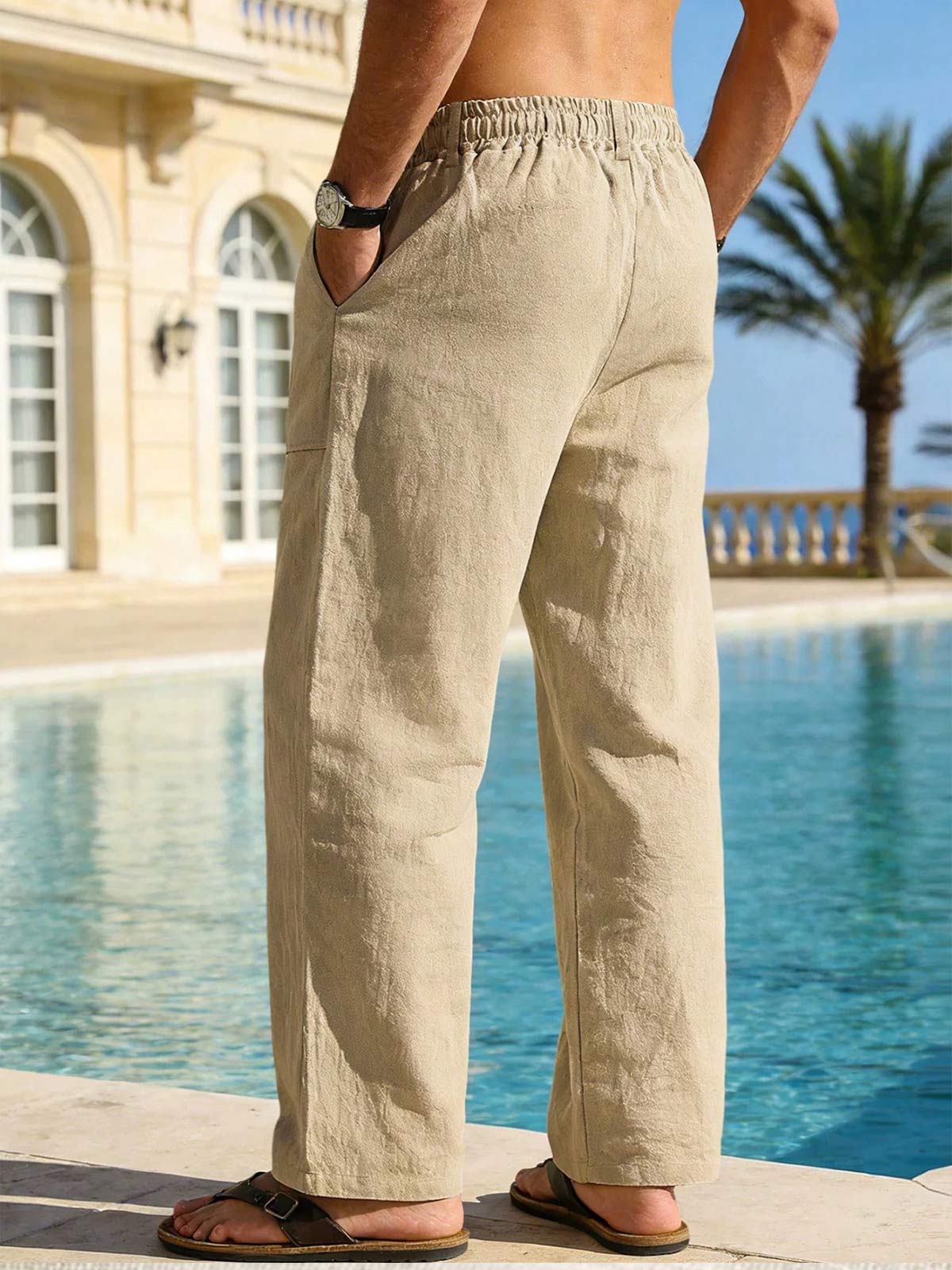
As spring blooms and summer heat sets in, updating your wardrobe with breathable, season-friendly pieces becomes essential. Among all warm-weather essentials, men’s linen trousers remain an irreplaceable staple for gentlemen who pursue comfort, texture, and timeless style.
Men’s Linen Trousers: 4 Spring & Summer Outfit Ideas