
Is Viscose a Sustainable Fabric?
author: Shirley Xie
2025-06-26
Understanding Viscose: What Is It?
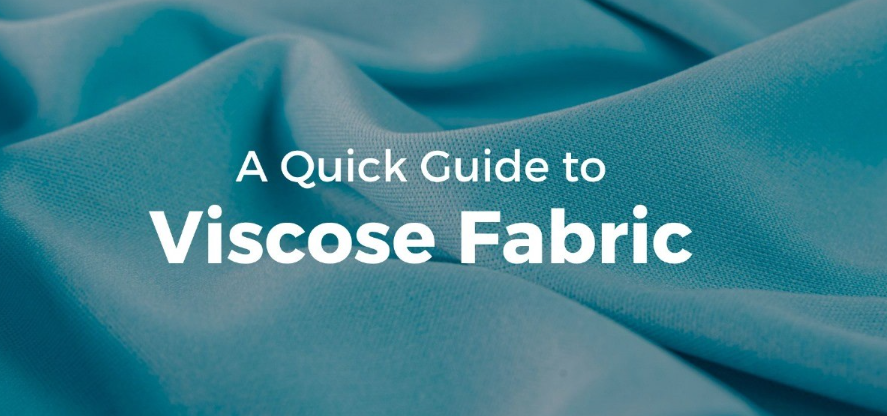
Viscose, often referred to as rayon, is a semi-synthetic fiber derived from natural cellulose, typically sourced from wood pulp or bamboo. Its silky texture and versatility make it a popular choice in fashion, used in everything from dresses to Women's Cotton Straight-Leg Jeans. However, the question of viscose sustainability hinges on its production process, which can vary significantly in environmental impact depending on how it’s manufactured.
The Origins of Viscose
Viscose is made by chemically processing cellulose, a natural polymer found in plant cell walls. Common sources include eucalyptus, pine, or bamboo. While the raw material is plant-based, the transformation into viscose involves intensive chemical treatments, which raises concerns about viscose sustainability. The process was first developed in the late 19th century and has since evolved, with brands like RE&X incorporating it into modern designs.
How Viscose Is Made
The production of viscose begins with harvesting cellulose from plants. The cellulose is then dissolved in chemicals like sodium hydroxide and carbon disulfide to create a viscous solution. This solution is extruded through spinnerets to form fibers, which are spun into fabric. While the base material is renewable, the chemicals used and the energy-intensive process can undermine viscose sustainability if not managed responsibly.
The Environmental Impact of Viscose Production
When evaluating viscose sustainability, it’s essential to consider the environmental footprint of its production. The process can have significant ecological consequences, but advancements in technology are helping to mitigate these impacts.
Chemical Use and Pollution
The production of viscose often involves toxic chemicals like carbon disulfide, which can harm workers and pollute waterways if not properly managed. Factories with poor waste management systems may release these chemicals into the environment, contributing to soil and water contamination. This has historically been a major barrier to viscose sustainability, prompting calls for stricter regulations and cleaner production methods.
Deforestation and Land Use
Viscose’s reliance on wood pulp can drive deforestation if sourced from unsustainably managed forests. Clearing forests for pulp production not only reduces biodiversity but also releases stored carbon, exacerbating climate change. However, some manufacturers source cellulose from certified sustainable forests, improving viscose sustainability by ensuring responsible land use.
Energy and Water Consumption
Viscose production is resource-intensive, requiring significant amounts of water and energy. The pulping process and chemical treatments consume large volumes of water, which can strain local resources in water-scarce regions. Energy use, particularly in older facilities, often relies on fossil fuels, further impacting viscose sustainability. Newer technologies aim to reduce these demands, but adoption varies across the industry.
Advancements in Sustainable Viscose Production
Despite its challenges, innovations in viscose production are enhancing its sustainability. These advancements offer hope for eco-conscious consumers seeking alternatives like Women's Cotton Straight-Leg Jeans.
Closed-Loop Production Systems
Closed-loop systems recycle chemicals and water during viscose production, significantly reducing waste and pollution. Brands adopting these systems, such as those producing lyocell (a type of viscose), demonstrate that viscose sustainability is achievable with the right technology. Lyocell, for instance, uses less toxic solvents and recycles up to 99% of the water and chemicals used.
Sustainable Sourcing
Certifications like the Forest Stewardship Council (FSC) ensure that viscose is sourced from responsibly managed forests. By prioritizing sustainable forestry, manufacturers can minimize deforestation and support biodiversity. Some companies also use fast-growing, low-impact plants like bamboo, further improving viscose sustainability.
Eco-Friendly Alternatives
For consumers concerned about viscose sustainability, alternatives like organic cotton or recycled fibers offer greener options. Products like Women's Cotton Straight-Leg Jeans combine style and sustainability, using natural fibers that require fewer chemicals and less water to produce. These alternatives align with the growing demand for environmentally responsible fashion.
Benefits of Viscose in Fashion
Despite its environmental challenges, viscose offers several advantages that make it appealing in the fashion industry. Understanding these benefits provides a balanced perspective on viscose sustainability.
Versatility and Comfort
Viscose is prized for its soft, breathable texture and ability to mimic more expensive fabrics like silk. Its versatility makes it suitable for a wide range of garments, from flowy dresses to structured pieces. This adaptability allows designers to create comfortable, stylish clothing that appeals to eco-conscious consumers.
Biodegradability
Unlike fully synthetic fibers like polyester, viscose is biodegradable under the right conditions. When sourced and produced sustainably, it can break down naturally, reducing its long-term environmental impact. This biodegradability is a key factor in viscose sustainability, especially when compared to non-degradable synthetics.
Affordability
Viscose is often more affordable than natural fibers like silk or high-quality cotton, making sustainable fashion more accessible. While not as eco-friendly as organic cotton used in some garments, its lower cost can encourage broader adoption of sustainable practices in the fashion industry.
Challenges to Viscose Sustainability
While advancements are promising, several challenges remain in achieving widespread viscose sustainability. Addressing these hurdles is critical for the fabric to align with the values of environmentally conscious consumers.
Inconsistent Industry Standards
Not all viscose production adheres to sustainable practices. Many factories, particularly in developing countries, lack the infrastructure or incentives to adopt eco-friendly methods. This inconsistency makes it difficult for consumers to determine whether their viscose garments are sustainably produced.
Consumer Awareness
Many shoppers are unaware of the environmental impact of viscose or how to identify sustainably produced options. Labels like “rayon” or “viscose” don’t always indicate eco-friendly production, which can confuse consumers seeking sustainable fabrics. Education and transparent labeling are essential to improving viscose sustainability.
Scaling Sustainable Practices
While closed-loop systems and sustainable sourcing are effective, they are not yet widespread. Scaling these practices requires significant investment and regulatory support, which can be slow to materialize. Until sustainable methods become the industry norm, viscose sustainability will remain a mixed picture.
How Consumers Can Make Sustainable Choices
Consumers play a vital role in promoting viscose sustainability by making informed purchasing decisions. Here are actionable steps to support eco-friendly fashion.
Look for Certifications
When shopping for viscose garments, seek out certifications like FSC or OEKO-TEX, which indicate responsible sourcing and production. These labels ensure that the viscose used meets environmental and ethical standards.
Choose Eco-Friendly Alternatives
Opting for garments made from organic or recycled materials can reduce environmental impact. For example, choosing Women's Cotton Straight-Leg Jeans over conventional viscose pants supports sustainable agriculture and reduces chemical use.
Support Transparent Brands
Brands that openly share their sourcing and production practices are more likely to prioritize sustainability. Researching a company’s supply chain and environmental commitments can help consumers make choices aligned with viscose sustainability goals.
The Future of Viscose Sustainability
The future of viscose sustainability depends on continued innovation and consumer demand for eco-friendly fashion. Emerging technologies, such as bio-based solvents and renewable energy in production, could further reduce viscose’s environmental footprint. Additionally, as consumers increasingly prioritize sustainability, brands will face pressure to adopt greener practices.
Industry Collaboration
Collaboration between manufacturers, governments, and NGOs is essential to standardize sustainable practices. Initiatives like the CanopyStyle campaign work with brands to ensure viscose is sourced from forests that are not endangered, promoting viscose sustainability on a global scale.
Consumer Advocacy
By choosing sustainable products and advocating for transparency, consumers can drive change in the fashion industry. Supporting brands that invest in eco-friendly viscose production or alternatives like organic cotton encourages the shift toward a more sustainable future.
Conclusion
The question of whether viscose is a sustainable fabric is complex. While its plant-based origins and biodegradability offer environmental benefits, the chemical-intensive production process and potential for deforestation pose significant challenges. However, advancements like closed-loop systems and sustainable sourcing are improving viscose sustainability. For consumers, choosing certified viscose or alternatives like Women's Cotton Straight-Leg Jeans can align fashion choices with environmental values. By staying informed and supporting sustainable practices, we can help shape a greener future for viscose and the fashion industry.
Which Are the Most Environmentally Friendly Clothing Materials?
What’s the Fifth Pocket For in Tapered Five Pocket Denim?
Related Article

Quality clothing is an investment. Whether you reach for breathable linen trousers for warm spring and summer days, or sturdy denim jeans for everyday casual styling, proper care is the key to keeping their original texture, color, fit and comfort over time. Linen and denim are beloved wardrobe essentials, yet they behave very differently during washing and storage.
Care Guide: Washing & Maintenance Tips for Linen Trousers and Denim Jeans
Have you ever wondered what goes into every pair of RE&X pants before they land in your wardrobe? Today, we pull back the curtain and take you through our complete design process, captured frame by frame in our studio.
Behind The Scenes: The Full Design Journey of RE&X Pants

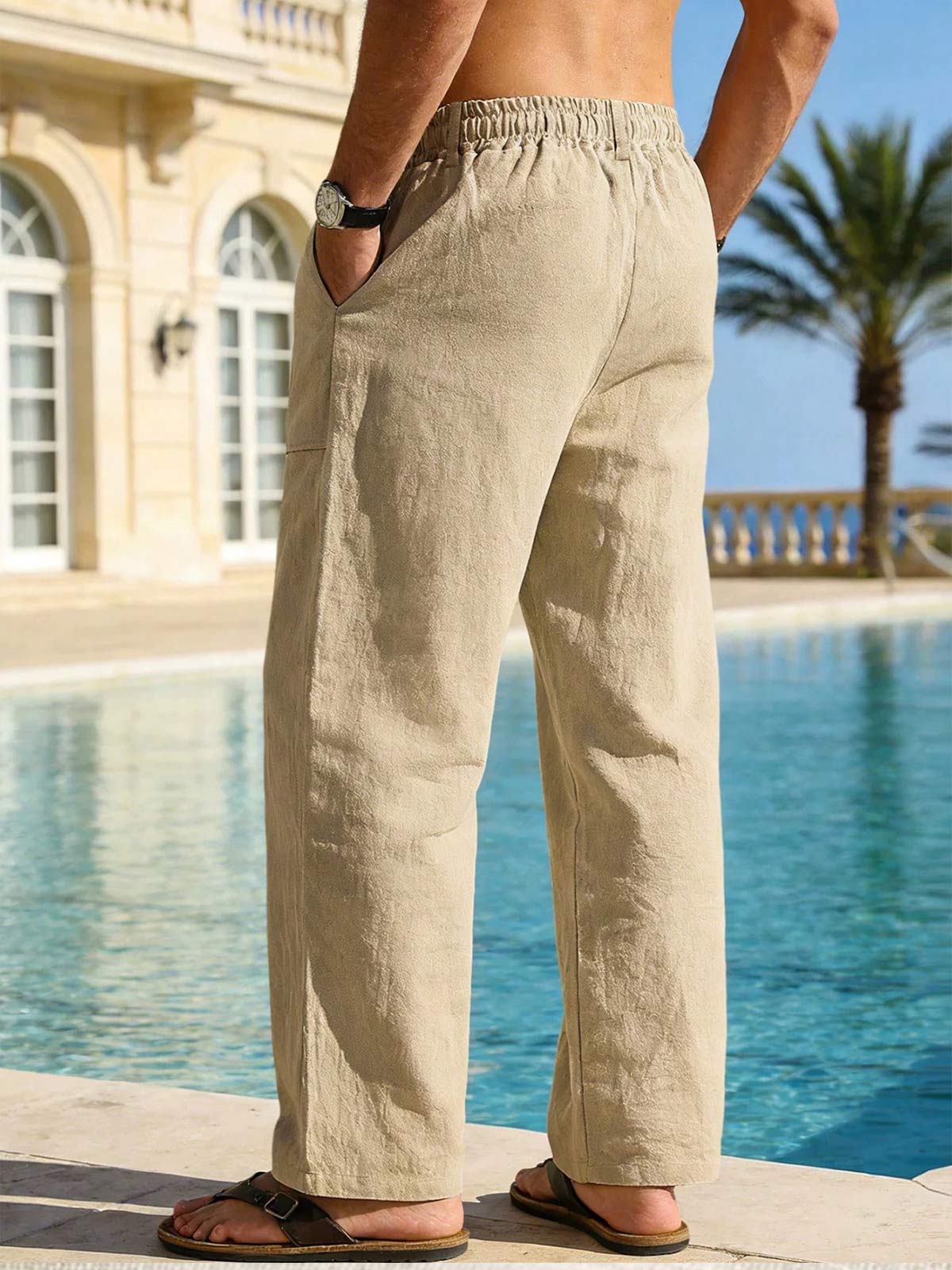
As spring blooms and summer heat sets in, updating your wardrobe with breathable, season-friendly pieces becomes essential. Among all warm-weather essentials, men’s linen trousers remain an irreplaceable staple for gentlemen who pursue comfort, texture, and timeless style.
Men’s Linen Trousers: 4 Spring & Summer Outfit Ideas