
Is Lycra Blend Fabric Good for Skin?
author: Shirley Xie
2025-07-16
Understanding Lycra Blend Fabric
Lycra blend fabric, a popular choice in modern textiles, combines Lycra (also known as spandex or elastane) with other fibers like cotton, polyester, or nylon. This blend creates a stretchy, form-fitting material that enhances comfort and flexibility. Lycra, developed by DuPont in 1958, is a synthetic fiber known for its exceptional elasticity, allowing garments to stretch up to five times their original size while returning to their original shape. In blends, Lycra typically constitutes 2-20% of the fabric, providing stretch without compromising the primary material’s properties.
The versatility of Lycra blend fabric makes it ideal for various garments, including Waterproof Dress Pants, which combine style with practical functionality. Its ability to conform to the body ensures a snug yet comfortable fit, making it a staple in both casual and formal wear. However, its impact on skin health depends on several factors, including the blend composition, skin sensitivity, and environmental conditions.

Composition of Lycra Blend Fabric
Lycra blend fabric is rarely used alone; it’s typically combined with natural fibers like cotton for breathability or synthetic ones like polyester for durability. For example, a common blend might include 95% cotton and 5% Lycra, offering softness with added stretch. The base material largely determines the fabric’s texture and breathability, while Lycra enhances elasticity. This combination is often used in tailored garments like Waterproof Dress Pants, which require both structure and flexibility.
The chemical structure of Lycra involves polyurethane, which provides its stretchy properties. While Lycra itself is inert and non-toxic, the dyeing and finishing processes of the blend can introduce chemicals that may affect sensitive skin. Understanding the blend’s composition is key to assessing its skin-friendliness.
Benefits of Lycra Blend Fabric for Skin
Lycra blend fabric offers several advantages that make it appealing for skin contact, particularly in well-crafted garments. Below are the key benefits:
Enhanced Comfort and Fit
The elasticity of Lycra blend fabric allows garments to move with the body, reducing friction and pressure points that can irritate the skin. This is particularly beneficial for fitted clothing, as it prevents chafing during prolonged wear. For individuals seeking both style and comfort, this fabric provides a smooth, non-restrictive experience.
Breathability in Blends
When paired with natural fibers like cotton or bamboo, Lycra blend fabric can be highly breathable, allowing air circulation to keep the skin cool and dry. This is crucial for preventing moisture buildup, which can lead to irritation or bacterial growth. For example, cotton-Lycra blends are popular in warm climates for their ability to wick sweat away from the skin.
Durability and Shape Retention
Lycra blend fabric maintains its shape even after repeated stretching, ensuring consistent comfort over time. This durability reduces wear and tear, preventing rough textures that could irritate the skin. High-quality blends, as seen in brands like RE&X, prioritize long-lasting comfort without compromising skin health.
Potential Drawbacks for Skin Health
While Lycra blend fabric has many benefits, there are potential concerns, particularly for those with sensitive skin or specific allergies. Below are some considerations:
Sensitivity to Synthetic Fibers
Lycra is a synthetic fiber, and some individuals may experience mild irritation from prolonged contact, especially if the blend includes a high percentage of other synthetics like polyester. Symptoms like redness or itching can occur, particularly if the fabric traps heat and moisture against the skin.
Chemical Residues
The manufacturing process of Lycra blend fabric often involves dyes, softeners, and other chemicals. If not properly rinsed during production, these residues can cause contact dermatitis in sensitive individuals. Opting for garments certified as hypoallergenic or eco-friendly can mitigate this risk.
Reduced Breathability in Some Blends
When Lycra is blended with less breathable materials like nylon or high percentages of polyester, the fabric may trap heat and sweat, creating a humid environment conducive to skin irritation or fungal infections. Choosing blends with natural fibers can help avoid this issue.
Lycra Blend Fabric and Sensitive Skin
For those with sensitive skin, Lycra blend fabric can be a suitable choice if certain precautions are taken. Here’s what to consider:
Choosing the Right Blend
Opt for Lycra blend fabrics with a high percentage of natural fibers, such as cotton or bamboo, which are gentler on the skin. These blends offer better breathability and reduce the risk of irritation. Additionally, look for fabrics labeled as OEKO-TEX certified, ensuring they are free from harmful substances.
Proper Garment Care
Washing Lycra blend fabric garments before wearing them can remove residual chemicals from manufacturing. Use mild, hypoallergenic detergents and avoid fabric softeners, which can leave residues that irritate sensitive skin. Air-drying is preferable to high-heat drying, which can degrade the fabric’s texture.
Patch Testing
If you’re prone to skin sensitivities, perform a patch test by wearing a small piece of the fabric against your skin for a few hours. This can help identify potential reactions before committing to prolonged wear.
Practical Applications of Lycra Blend Fabric
Lycra blend fabric is widely used in clothing designed for both aesthetics and functionality. Its stretch and recovery properties make it ideal for activewear, casual wear, and even formal attire. For instance, garments like dress pants benefit from Lycra’s ability to provide a tailored fit without sacrificing comfort. This versatility extends to various climates and activities, making it a practical choice for everyday wear.
Suitability for Different Climates
In warmer climates, Lycra blend fabric with cotton or linen ensures breathability, keeping the skin cool. In colder environments, blends with wool or thicker synthetics provide warmth without restricting movement. This adaptability makes Lycra blend fabric a year-round option for skin-conscious consumers.
Maintenance Tips for Longevity
To maintain the skin-friendly properties of Lycra blend fabric, follow these care tips:
-
Wash in cold water to preserve elasticity.
-
Avoid bleach, which can weaken fibers and cause skin irritation.
-
Store garments away from direct sunlight to prevent degradation of Lycra.
Environmental and Ethical Considerations
Lycra blend fabric can align with eco-conscious values when sourced responsibly. Many manufacturers now use recycled Lycra or pair it with sustainable fibers like organic cotton. These options reduce environmental impact while maintaining skin-friendly properties. Additionally, choosing brands that prioritize ethical production ensures that the fabric is free from harmful chemicals, benefiting both the skin and the planet.
Conclusion
Lycra blend fabric is generally good for the skin, offering comfort, flexibility, and durability when blended with breathable materials like cotton. However, individuals with sensitive skin should opt for hypoallergenic, well-washed garments to minimize irritation risks. By choosing high-quality blends and following proper care practices, Lycra blend fabric can be a versatile and skin-friendly choice for a wide range of clothing, from casual wear to sophisticated Waterproof Dress Pants. Always consider your skin type and the specific blend to ensure the best experience.
Is Moisture Wicking Polyester Fabric Good for Men's Dress Pants?
Is Polyamide Fabric Waterproof in a Washing Machine?
Related Article

Quality clothing is an investment. Whether you reach for breathable linen trousers for warm spring and summer days, or sturdy denim jeans for everyday casual styling, proper care is the key to keeping their original texture, color, fit and comfort over time. Linen and denim are beloved wardrobe essentials, yet they behave very differently during washing and storage.
Care Guide: Washing & Maintenance Tips for Linen Trousers and Denim Jeans

Have you ever wondered what goes into every pair of RE&X pants before they land in your wardrobe? Today, we pull back the curtain and take you through our complete design process, captured frame by frame in our studio.
Behind The Scenes: The Full Design Journey of RE&X Pants

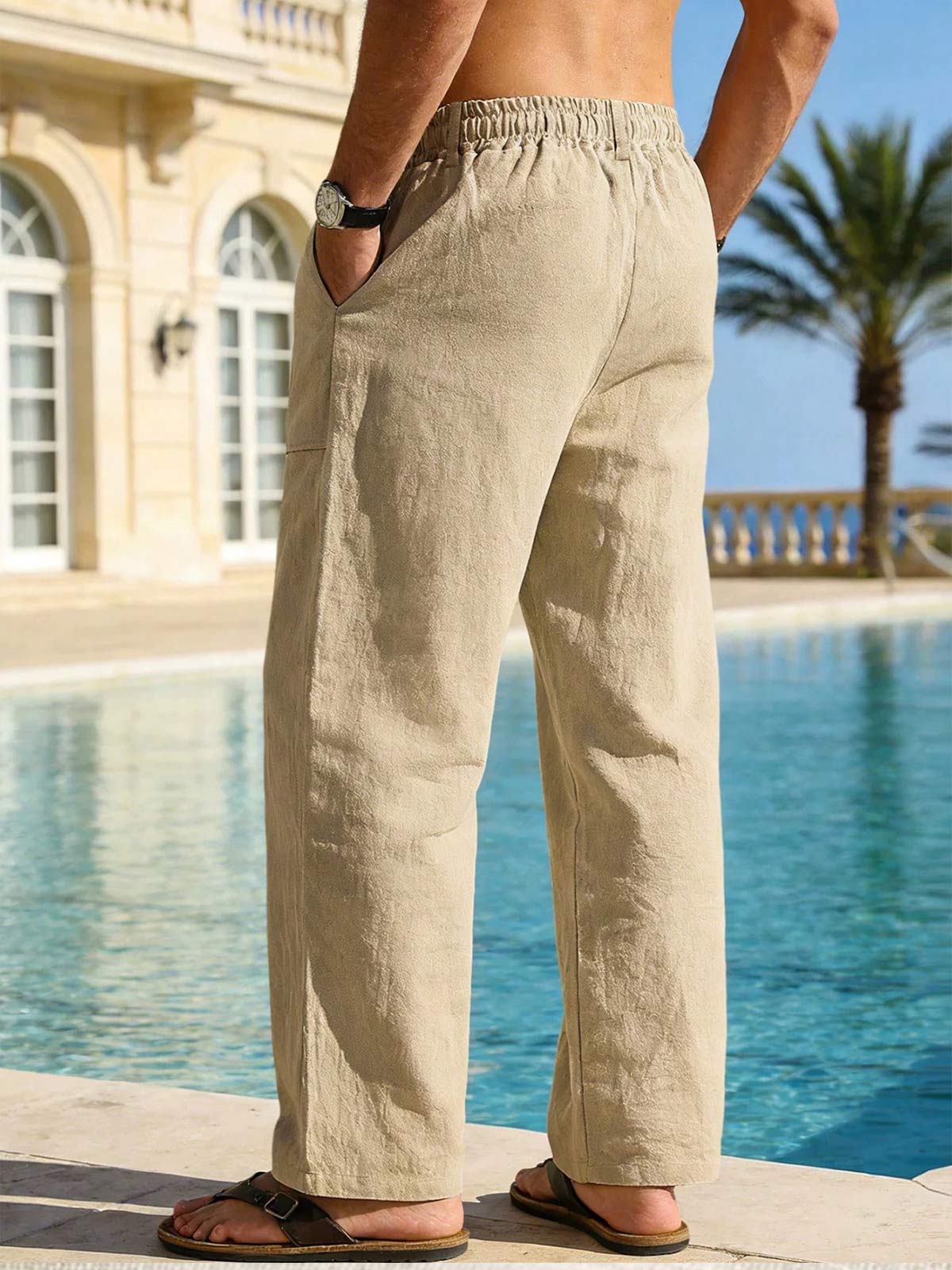
As spring blooms and summer heat sets in, updating your wardrobe with breathable, season-friendly pieces becomes essential. Among all warm-weather essentials, men’s linen trousers remain an irreplaceable staple for gentlemen who pursue comfort, texture, and timeless style.
Men’s Linen Trousers: 4 Spring & Summer Outfit Ideas