
Is Corduroy Fleece Pants Fabric Designed to Handle Water Exposure?
author: Shirley Xie
2025-12-22
Corduroy fleece pants combine two distinct textile structures: the ribbed surface of corduroy and the soft, insulating interior of fleece. Understanding whether corduroy fleece pants are okay to get wet requires examining how each component reacts to moisture.
Corduroy is traditionally made from cotton or cotton blends, which are absorbent by nature. Fleece, usually polyester or a synthetic blend, is designed to trap warmth and dry relatively quickly. When fused together in corduroy fleece pants, the resulting fabric offers comfort and insulation but is not inherently waterproof.
Corduroy fleece pants can get wet occasionally without immediate damage, but they are not designed for prolonged exposure to rain, snow, or immersion in water. The absorbent nature of corduroy means moisture can penetrate the ribs, while fleece lining can retain water if not dried correctly.

Are Corduroy Fleece Pants Okay to Get Wet in Everyday Situations?
In daily life, corduroy fleece pants may encounter light rain, snow flurries, or accidental spills. In these situations, corduroy fleece pants are generally okay to get wet as long as exposure is brief and drying follows promptly.
Light moisture typically does not harm corduroy fleece pants. However, if the pants become soaked, the fabric may feel heavy and cold due to water retention in the corduroy channels. Extended dampness can also reduce insulation performance until fully dry.
For commuting, casual walking, or short outdoor activities, corduroy fleece pants can tolerate minor wet conditions. They are less suitable for heavy rain or environments where staying dry is critical.
How Does Water Affect the Structure of Corduroy Fleece Pants?
When corduroy fleece pants get wet, water interacts differently with each fabric layer. The corduroy exterior absorbs moisture between its raised ridges, while the fleece lining may trap water within its fibers.
This interaction can temporarily alter the texture of corduroy fleece pants. The ribs may appear flattened, and the fabric may feel stiffer until dry. In most cases, these changes are reversible with proper drying and light brushing.
Repeated soaking without proper care, however, can weaken fibers over time. Cotton-based corduroy is especially vulnerable to fiber fatigue when frequently exposed to water, emphasizing the importance of limiting unnecessary wetting.
Do Corduroy Fleece Pants Shrink When They Get Wet?
Shrinkage is a common concern when asking if corduroy fleece pants are okay to get wet. The risk depends largely on fiber composition and drying method rather than water alone.
Corduroy fleece pants made with a high cotton content may shrink slightly if exposed to hot water or high-heat drying. Cold or lukewarm water generally poses minimal risk. Synthetic fleece linings are more resistant to shrinkage but can deform under heat.
To minimize shrinkage, corduroy fleece pants should always be washed in cold water and air-dried or tumble-dried on low heat. Getting wet from rain alone rarely causes shrinkage unless followed by improper drying.
Can Corduroy Fleece Pants Maintain Warmth When Wet?
One of the main reasons people wear corduroy fleece pants is for warmth. When dry, the fleece lining effectively traps heat. When wet, however, insulation efficiency decreases.
Corduroy fleece pants lose a portion of their warmth when soaked because water displaces the air pockets that retain heat. Synthetic fleece performs better than natural fibers in this regard, but it still insulates less when wet.
For cold and damp environments, corduroy fleece pants are suitable only if moisture exposure is limited. They are not recommended for conditions requiring wet-weather thermal performance.
How Quickly Do Corduroy Fleece Pants Dry After Getting Wet?
Drying time is an important factor in determining whether corduroy fleece pants are practical in wet conditions. The fleece lining dries relatively quickly, especially if made from polyester. The corduroy outer layer, however, may take longer due to its dense weave.
Air circulation, temperature, and humidity all affect drying speed. Hanging corduroy fleece pants in a well-ventilated area significantly reduces drying time. Turning them inside out can help the fleece lining dry more efficiently.
Compared to denim, corduroy fleece pants usually dry faster, but slower than lightweight synthetic trousers designed for outdoor sports.
Are Corduroy Fleece Pants Suitable for Rainy or Snowy Weather?
Corduroy fleece pants are not specifically designed for wet weather, but they can be worn in light snow or drizzle with caution. In snowy conditions, snow tends to sit on the surface initially, giving corduroy fleece pants short-term protection.
In rain, however, moisture penetrates more quickly. Without a water-repellent treatment, corduroy fleece pants absorb rain and become heavy. For extended outdoor exposure, layering with a waterproof outer shell is recommended.
People seeking trousers for frequent wet-weather use should consider alternatives with water-resistant coatings rather than relying solely on corduroy fleece pants.
How Should Corduroy Fleece Pants Be Dried After Getting Wet?
Proper drying is essential to maintain the shape and texture of corduroy fleece pants. After getting wet, excess water should be gently shaken off rather than wrung out, which can damage fibers.
Air-drying on a hanger or flat surface is ideal. If using a dryer, low heat is critical to prevent shrinkage and fleece damage. High heat can cause corduroy ribs to stiffen and fleece lining to lose softness.
Brushing the corduroy lightly after drying can help restore its ribbed appearance and prevent matting.
Does Frequent Washing Reduce the Lifespan of Corduroy Fleece Pants?
Corduroy fleece pants do not require frequent washing unless heavily soiled. Excessive washing, especially in hot water, accelerates wear and reduces fabric integrity.
Each wash exposes corduroy fleece pants to mechanical agitation, which can flatten ribs and degrade fleece fibers. Spot cleaning and airing out between wears can extend garment life significantly.
When washing is necessary, using gentle cycles and mild detergents helps preserve both texture and warmth.
Are Modern Corduroy Fleece Pants More Water-Resistant Than Traditional Versions?
Advances in textile engineering have improved the performance of corduroy fleece pants. Some modern versions incorporate blended fibers or surface treatments that reduce water absorption.
While these enhancements do not make corduroy fleece pants waterproof, they improve resistance to light moisture and speed up drying. Environmentally conscious brands, including RE&X, often focus on balancing durability, comfort, and responsible material choices.
Despite these improvements, corduroy fleece pants remain best suited for dry to mildly damp conditions.
How Can Corduroy Fleece Pants Be Protected from Water Damage?
Preventive care plays a key role in keeping corduroy fleece pants in good condition. Applying a fabric-safe water-repellent spray can reduce moisture absorption without affecting breathability.
Storing corduroy fleece pants in dry environments and avoiding prolonged dampness prevents mildew and odor buildup. Proper rotation with other garments also reduces unnecessary exposure to moisture.
Simple habits, rather than complex treatments, offer the most effective protection.
Are Corduroy Fleece Pants a Practical Choice for Long-Term Wear?
Corduroy fleece pants are valued for comfort, warmth, and timeless appearance. When cared for properly, they can remain functional and attractive for years.
Occasional exposure to water does not automatically compromise corduroy fleece pants. However, understanding their limitations helps users make informed decisions about when and where to wear them.
Brands such as RE&X emphasize quality construction to ensure corduroy fleece pants maintain their structure and comfort over time without requiring excessive maintenance.
What Is the Final Answer to Whether Corduroy Fleece Pants Are Okay to Get Wet?
So, are corduroy fleece pants okay to get wet? The answer is yes—occasionally and briefly. Corduroy fleece pants can handle light moisture, rain, or snow when followed by proper drying and care.
They are not designed for heavy rain, prolonged wet conditions, or water-intensive activities. With realistic expectations and correct maintenance, corduroy fleece pants remain a reliable and comfortable choice for everyday wear.
Understanding how corduroy fleece pants interact with water allows wearers to enjoy their benefits while preserving fabric quality and longevity.
What Is the Best Material for Cotton Walking Trousers?
Can 50-Year-Olds Wear Denim Cotton Shorts Confidently and Comfortably?
Related Article

Quality clothing is an investment. Whether you reach for breathable linen trousers for warm spring and summer days, or sturdy denim jeans for everyday casual styling, proper care is the key to keeping their original texture, color, fit and comfort over time. Linen and denim are beloved wardrobe essentials, yet they behave very differently during washing and storage.
Care Guide: Washing & Maintenance Tips for Linen Trousers and Denim Jeans

Have you ever wondered what goes into every pair of RE&X pants before they land in your wardrobe? Today, we pull back the curtain and take you through our complete design process, captured frame by frame in our studio.
Behind The Scenes: The Full Design Journey of RE&X Pants

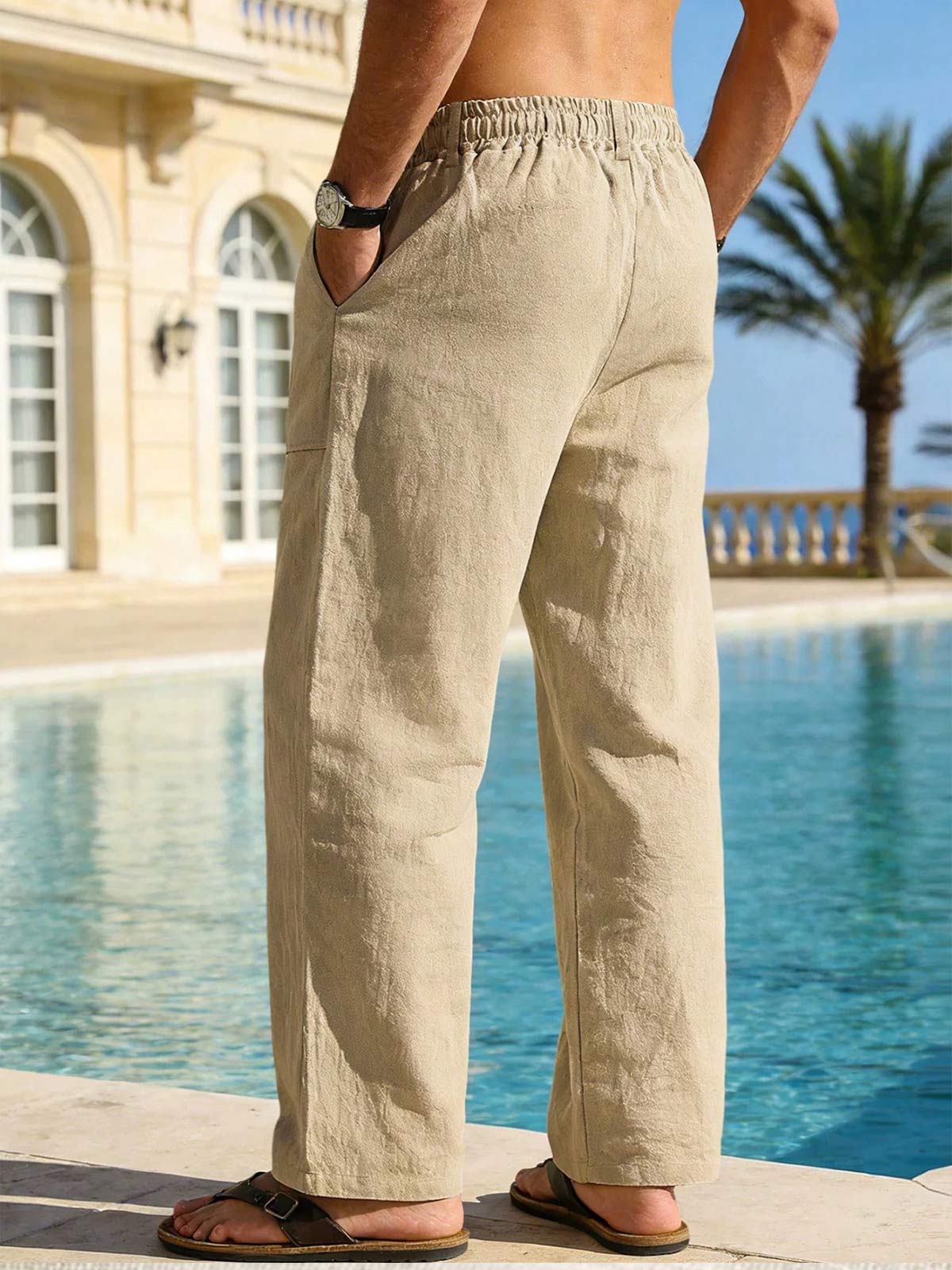
As spring blooms and summer heat sets in, updating your wardrobe with breathable, season-friendly pieces becomes essential. Among all warm-weather essentials, men’s linen trousers remain an irreplaceable staple for gentlemen who pursue comfort, texture, and timeless style.
Men’s Linen Trousers: 4 Spring & Summer Outfit Ideas