
Is 50 Cotton 50 Polyester Considered a Wrinkle Resistant Material?
author: Shirley Xie
2025-12-24
A 50 cotton 50 polyester fabric is widely regarded as moderately wrinkle resistant, though it does not completely eliminate creasing. To understand why, it is essential to examine how cotton and polyester behave individually and how blending them alters fabric performance.
Cotton is a natural cellulose fiber known for breathability, softness, and moisture absorption. However, its molecular structure allows hydrogen bonds to break and reform easily, which leads to visible wrinkles after movement or washing. Polyester, on the other hand, is a synthetic fiber made from polyethylene terephthalate (PET). Its thermoplastic nature enables it to retain shape and resist deformation, making it naturally wrinkle resistant.
When blended in equal proportions, these fibers create a fabric that balances comfort and performance. The polyester component significantly improves wrinkle recovery, while cotton maintains softness and airflow. As a result, 50/50 blends are commonly used where a wrinkle resistant material is desired without sacrificing natural feel.
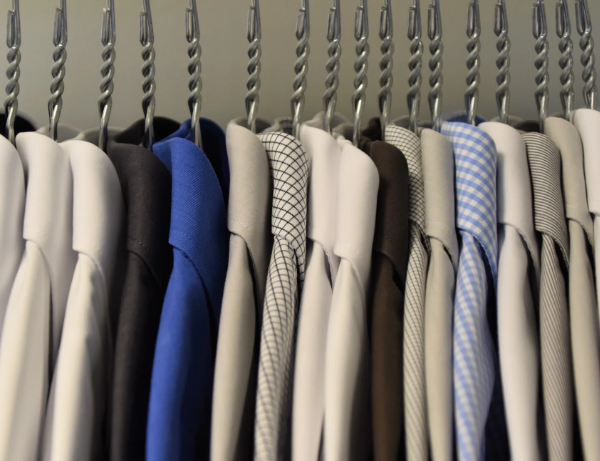
How Do Cotton and Polyester Fibers React Differently to Wrinkles?
Understanding wrinkle behavior starts at the fiber level.
Cotton fibers consist of twisted ribbon-like structures that bend easily. When pressure or moisture is applied—such as sitting or laundering—the fibers deform and fail to return fully to their original shape. This is why pure cotton garments often require ironing.
Polyester fibers are smooth, uniform, and heat-set during manufacturing. Their molecular chains are locked into position, allowing them to “spring back” after bending. This resilience makes polyester a foundational wrinkle resistant material in modern textiles.
In a 50 cotton 50 polyester fabric, polyester fibers act as a structural support system. They limit the movement of cotton fibers, reducing deep creases and helping the garment maintain a cleaner appearance throughout the day.
Does Fabric Construction Affect Wrinkle Resistance in 50/50 Blends?
Yes, fabric construction plays a critical role in determining whether a blend functions effectively as a wrinkle resistant material.
Weave density, yarn twist, and fabric weight all influence wrinkle behavior. For example:
-
Twill weaves (common in chinos and cargo pants) naturally hide wrinkles better than plain weaves.
-
Higher yarn twist increases fabric resilience and improves wrinkle recovery.
-
Heavier fabrics resist creasing better than lightweight ones.
A well-engineered 50 cotton 50 polyester twill can outperform poorly constructed 100% cotton fabric in terms of wrinkle resistance. This is why blended fabrics are popular in trousers, uniforms, and casual workwear.
How Does Moisture and Humidity Impact Wrinkling in Blended Fabrics?
Moisture plays a major role in wrinkle formation.
Cotton absorbs moisture readily, which weakens its fiber bonds and increases wrinkling. Polyester absorbs very little moisture, maintaining fiber stability even in humid conditions. In a 50/50 blend, polyester reduces overall moisture absorption, helping the fabric retain shape.
This property makes the blend more reliable as a wrinkle resistant material in warm climates, long workdays, or travel scenarios. While wrinkles can still form, they are typically shallower and easier to smooth out compared to pure cotton.
Are Chemical Finishes Needed to Make 50/50 Fabric Wrinkle Resistant?
Some fabrics rely on chemical treatments to enhance wrinkle resistance, but a 50 cotton 50 polyester fabric often performs adequately without them.
Wrinkle-resistant finishes, such as resin treatments, chemically bond fibers to limit movement. While effective, they may reduce softness or breathability over time. In contrast, polyester’s inherent structure already provides wrinkle resistance.
For consumers seeking a more natural approach, untreated 50/50 blends offer a practical balance. When finishes are added, the fabric can approach the performance of high-end wrinkle resistant material used in formal or performance apparel.
How Does Washing and Care Influence Wrinkles in 50/50 Fabrics?
Proper care significantly affects wrinkle appearance.
Compared to 100% cotton, 50 cotton 50 polyester garments are easier to maintain. Polyester reduces shrinkage and helps garments emerge from the wash with fewer wrinkles. Key care tips include:
-
Removing garments promptly from the dryer
-
Using medium heat instead of high heat
-
Hanging garments immediately after drying
These practices maximize the wrinkle resistant material properties of the blend and reduce the need for ironing.
Is 50 Cotton 50 Polyester Suitable for Everyday and Workwear?
The popularity of 50/50 blends is closely tied to their versatility.
For daily wear, the fabric offers comfort, breathability, and a presentable appearance with minimal maintenance. In workwear, especially where mobility and long hours are involved, the blend performs well by resisting excessive creasing.
This balance explains why blended trousers are common in offices, warehouses, hospitality, and travel-oriented wardrobes. Brands such as RE&X have recognized this functional balance when selecting materials for contemporary trousers designed for long-term wear.
How Does a 50/50 Blend Compare to 100% Cotton in Terms of Appearance?
Appearance is often a deciding factor when choosing fabrics.
100% cotton offers a crisp, natural look but wrinkles quickly, especially at stress points like knees and hips. A 50 cotton 50 polyester fabric maintains a smoother silhouette throughout the day, making it more visually consistent.
While purists may prefer the feel of pure cotton, many consumers appreciate that a wrinkle resistant material blend looks neater for longer periods, particularly in casual professional environments.
Is a 50/50 Fabric Ideal for Travel and Long Wear?
Travel places unique demands on clothing.
Garments are folded, compressed, and worn for extended periods. A wrinkle resistant material is essential for maintaining appearance without constant ironing. A 50 cotton 50 polyester fabric performs well in this context, as wrinkles tend to relax naturally once the garment is hung.
For trousers, cargo pants, and casual bottoms, this makes the blend particularly practical. Styles such as Men's Cotton Casual Cargo benefit from the durability and wrinkle control offered by blended fabrics.
Does Polyester Reduce Breathability in a 50/50 Fabric?
A common concern is whether polyester compromises comfort.
While polyester alone is less breathable than cotton, a 50/50 blend still allows adequate airflow. Cotton fibers maintain moisture management, while polyester enhances durability and wrinkle resistance.
Modern textile engineering further improves breathability through yarn structure and finishing techniques. As a result, many 50/50 fabrics feel comfortable even during extended wear, especially in transitional seasons.
How Durable Is 50 Cotton 50 Polyester Compared to Other Fabrics?
Durability is another reason blended fabrics are favored.
Polyester significantly increases tensile strength, abrasion resistance, and color retention. Cotton alone may weaken over time, but when reinforced by polyester, the fabric withstands repeated washing and daily use.
This durability contributes indirectly to wrinkle resistance, as fibers that maintain structure are less prone to permanent creasing. As a wrinkle resistant material, the blend offers longevity alongside ease of care.
Is Sustainability a Factor in Choosing Blended Fabrics?
Sustainability considerations are increasingly important.
Cotton is renewable but resource-intensive, requiring water and land. Polyester is durable but petroleum-based. Blending them can extend garment lifespan, reducing overall consumption and waste.
Some manufacturers now use recycled polyester to further reduce environmental impact. Brands like RE&X integrate thoughtful material choices into their production philosophy, aligning performance fabrics with responsible sourcing.
Why Is 50 Cotton 50 Polyester Common in Trousers and Cargo Styles?
Trousers demand flexibility, durability, and appearance retention.
A wrinkle resistant material helps trousers maintain a sharp look at knees, thighs, and seat areas. Cargo styles, in particular, benefit from fabric resilience due to added pockets and frequent movement.
This explains why designs such as Men's Cotton Casual Cargo often rely on blended fabrics rather than pure cotton, ensuring comfort without excessive wrinkling.
Can Ironing Be Completely Avoided with a 50/50 Blend?
While 50 cotton 50 polyester fabrics reduce wrinkles, they do not eliminate them entirely.
Light ironing or steaming may still be needed for a crisp appearance, especially after washing. However, the effort required is significantly less than with pure cotton.
For many users, this reduced maintenance is the key advantage of choosing a wrinkle resistant material blend for everyday clothing.
What Should Consumers Expect from 50/50 Wrinkle Resistance?
Setting realistic expectations is important.
A 50 cotton 50 polyester fabric offers wrinkle reduction, not total wrinkle immunity. It performs best when properly constructed, cared for, and used in appropriate garments.
Consumers seeking low-maintenance clothing with natural comfort will find this blend practical and reliable across a wide range of applications.
Conclusion: Is 50 Cotton 50 Polyester a Practical Wrinkle Resistant Material?
In conclusion, a 50 cotton 50 polyester fabric can reasonably be classified as a wrinkle resistant material, particularly when compared to pure cotton. Its balanced fiber composition delivers improved wrinkle recovery, durability, and ease of care while preserving comfort and breathability.
Though it may not replace advanced performance fabrics or fully treated wrinkle-free textiles, the 50/50 blend remains a versatile, cost-effective choice for modern apparel. For everyday wear, workwear, and travel, it offers a dependable solution that aligns functionality with comfort and long-term use.
Is 100% Linen or Linen Blend Trousers the Better Choice for Modern Wear?
Are Water Resistant Chinos Good for Hot Weather?
Related Article

Quality clothing is an investment. Whether you reach for breathable linen trousers for warm spring and summer days, or sturdy denim jeans for everyday casual styling, proper care is the key to keeping their original texture, color, fit and comfort over time. Linen and denim are beloved wardrobe essentials, yet they behave very differently during washing and storage.
Care Guide: Washing & Maintenance Tips for Linen Trousers and Denim Jeans
Have you ever wondered what goes into every pair of RE&X pants before they land in your wardrobe? Today, we pull back the curtain and take you through our complete design process, captured frame by frame in our studio.
Behind The Scenes: The Full Design Journey of RE&X Pants

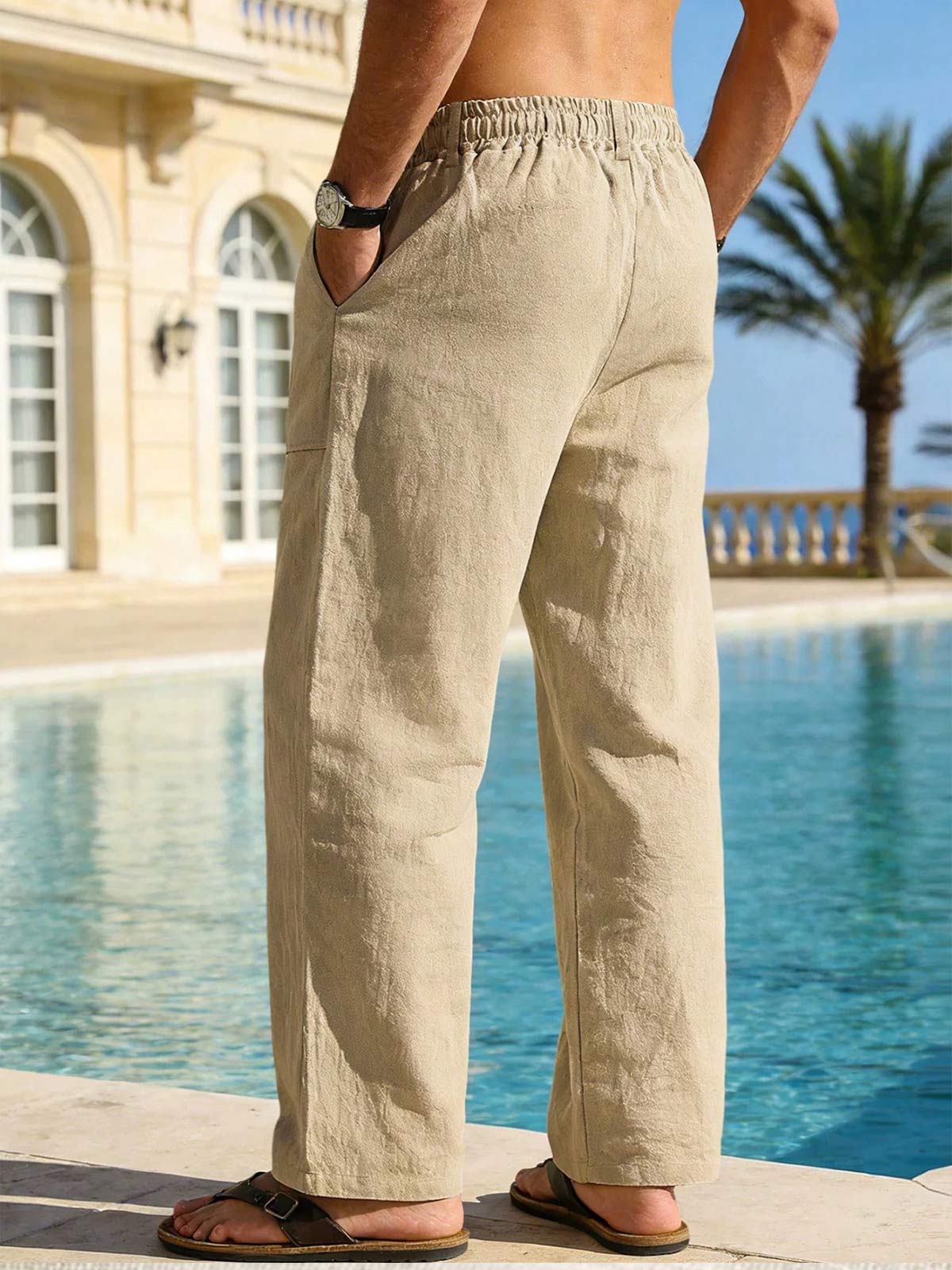
As spring blooms and summer heat sets in, updating your wardrobe with breathable, season-friendly pieces becomes essential. Among all warm-weather essentials, men’s linen trousers remain an irreplaceable staple for gentlemen who pursue comfort, texture, and timeless style.
Men’s Linen Trousers: 4 Spring & Summer Outfit Ideas