Is 100% Linen or Linen Blend Trousers the Better Choice for Modern Wear?
author: Shirley Xie
2025-12-25
Linen has been worn for thousands of years, prized for its natural cooling properties and relaxed elegance. In today’s fashion landscape, trousers made from linen appear in both traditional and modern forms, ranging from tailored summer pants to relaxed cropped silhouettes. Yet consumers often face a key question: should they choose trousers made from 100% linen, or opt for linen blend trousers that combine linen with other fibers?
Understanding the difference requires more than surface-level comparisons. Fabric composition affects breathability, wrinkle resistance, durability, drape, maintenance, and long-term comfort. Brands such as RE&X, which emphasize timeless design and responsible material choices, often consider these factors when developing contemporary trousers, though the decision ultimately depends on individual needs rather than branding.
This article provides a neutral, in-depth comparison grounded in textile science and everyday wear considerations.

What Is 100% Linen Fabric and How Is It Made?
100% linen fabric is produced entirely from flax fibers, a plant cultivated primarily in Europe. The fibers are extracted through retting, then spun into yarn and woven into fabric. Linen is considered one of the most environmentally responsible natural textiles because flax requires minimal water and few pesticides.
From a structural perspective, linen fibers are longer and stiffer than cotton fibers. This gives pure linen trousers their distinctive crisp texture and visible slub pattern. However, this rigidity also contributes to creasing and limited elasticity, which can affect comfort in certain scenarios.
Pure linen trousers are often chosen for their authenticity, breathability, and natural appearance, especially in high-heat or coastal environments.
What Are Linen Blend Trousers and Which Fibers Are Commonly Used?
Linen blend trousers are made by combining linen fibers with other materials to enhance specific performance characteristics. Common blends include linen with cotton, viscose, polyester, elastane, or lyocell.
Each added fiber serves a purpose. Cotton softens the texture, viscose improves drape, polyester increases durability and wrinkle resistance, and elastane adds stretch. As a result, linen blend trousers are engineered fabrics rather than purely traditional ones.
Because the ratio of linen varies, not all linen blend trousers behave the same way. A 70% linen blend will feel much closer to pure linen than a 30% linen blend, which may prioritize ease of care over natural texture.
How Do Breathability and Temperature Regulation Compare?
Breathability is one of linen’s most celebrated qualities. The hollow structure of flax fibers allows air to circulate freely, making 100% linen trousers exceptionally cool in hot climates. Moisture evaporates quickly, reducing discomfort caused by perspiration.
Linen blend trousers retain much of this benefit but with variation depending on the blend. Cotton and viscose maintain good airflow, while synthetic fibers slightly reduce breathability. However, well-designed linen blend trousers still perform better in heat than many non-linen alternatives.
In practical terms, pure linen excels in extreme heat, while linen blend trousers offer balanced performance suitable for a wider range of temperatures.
How Does Comfort Differ During Long Hours of Wear?
Comfort is influenced not only by temperature but also by fabric flexibility and skin feel. Pure linen trousers tend to feel crisp at first and soften gradually with washing. However, they lack stretch and may feel restrictive during prolonged sitting or movement.
Linen blend trousers often provide greater immediate comfort. The inclusion of elastane or viscose improves flexibility, reduces friction, and allows trousers to move with the body. This makes linen blend trousers more suitable for travel, workdays, or extended wear.
For example, modern silhouettes such as Men’s Linen Casual Cropped Pants often rely on linen blends to maintain comfort without sacrificing the airy appearance associated with linen.
Which Option Wrinkles More and Why Does It Matter?
Wrinkling is an inherent property of linen fibers. The low elasticity of flax causes creases to form easily and remain visible. For some wearers, this wrinkled look is part of linen’s charm and communicates relaxed sophistication.
Linen blend trousers significantly reduce this issue. Polyester and viscose fibers rebound more effectively after bending, helping trousers maintain a smoother appearance throughout the day.
From a practical standpoint, those who prefer a polished look with minimal maintenance often find linen blend trousers more compatible with daily routines, particularly in professional or urban settings.
How Do Durability and Longevity Compare Over Time?
Pure linen is surprisingly strong, especially when dry, but repeated folding and abrasion can weaken fibers over time. Additionally, frequent washing may accelerate wear if care instructions are not followed carefully.
Linen blend trousers are generally more durable due to the reinforcement provided by blended fibers. Polyester improves tensile strength, while cotton reduces fiber brittleness. This combination allows trousers to better withstand regular wear and laundering.
For consumers seeking trousers that maintain shape and structure over multiple seasons, linen blend trousers often provide greater long-term value.
How Do Maintenance and Care Requirements Differ?
Care is a major factor influencing fabric choice. 100% linen trousers typically require gentle washing, air drying, and frequent ironing to restore shape. Shrinkage and fiber distortion are possible if mishandled.
Linen blend trousers are usually easier to maintain. Many can be machine washed with minimal shrinkage and require less ironing. This convenience makes linen blend trousers appealing to those with busy lifestyles.
Ease of care does not necessarily compromise quality, as modern fabric engineering allows blends to retain the visual appeal of linen while simplifying upkeep.
Which Fabric Offers Better Fit and Shape Retention?
Fit is influenced by fabric drape and elasticity. Pure linen has a structured drape that holds shape initially but may loosen and sag during wear, particularly at the knees or seat.
Linen blend trousers maintain fit more consistently due to improved recovery properties. Elastane and synthetic fibers help trousers return to their original form after movement, preserving silhouette.
This characteristic is especially important in contemporary tailoring, where clean lines and consistent proportions are expected throughout the day.
How Do Aesthetics and Style Versatility Compare?
Aesthetically, pure linen offers a traditional, artisanal appearance characterized by texture and natural irregularities. It pairs well with relaxed summer outfits and heritage-inspired styling.
Linen blend trousers provide greater stylistic flexibility. Their smoother surface and improved drape allow them to transition between casual and semi-formal contexts more easily. This versatility explains their popularity in modern collections, including minimal, travel-ready designs.
Brands focused on timeless yet functional aesthetics, such as RE&X, often balance these visual considerations when selecting fabrics, though personal style remains the determining factor.
Are Linen Blend Trousers More Sustainable Than Pure Linen?
Sustainability depends on fiber sourcing, production methods, and garment lifespan. Pure linen scores highly in raw material sustainability, as flax cultivation has low environmental impact.
However, linen blend trousers may achieve sustainability through durability and reduced replacement frequency. Longer-lasting garments can offset the environmental cost of synthetic fibers when used responsibly.
Therefore, sustainability is not solely determined by fiber purity but by the entire lifecycle of the trousers.
Which Fabric Is Better for Different Lifestyles?
Lifestyle plays a crucial role in fabric selection. Pure linen suits vacation wear, beach environments, and occasions where relaxed elegance is appropriate.
Linen blend trousers are better suited for daily commuting, office settings, and travel. Their comfort, resilience, and low-maintenance nature align with modern routines.
Styles like Men’s Linen Casual Cropped Pants exemplify how linen blends adapt traditional fabrics to contemporary lifestyles.
Is There a Clear Winner Between 100% Linen and Linen Blend Trousers?
There is no universal winner. 100% linen offers unmatched natural breathability and authenticity, while linen blend trousers provide practicality, comfort, and versatility.
The better choice depends on climate, usage frequency, personal style, and tolerance for wrinkles and maintenance. Understanding these trade-offs allows consumers to make confident decisions aligned with their needs rather than trends.
Conclusion: Which Option Should You Choose?
Choosing between 100% linen and linen blend trousers is ultimately about priorities. If you value tradition, natural texture, and maximum breathability, pure linen remains unmatched. If you prioritize comfort, durability, and ease of care, linen blend trousers offer a balanced solution.
By understanding how fiber composition affects performance, consumers can select trousers that not only look good but also support long-term comfort and practicality in everyday life.
What Is the Downside of Stylish Linen Pants?
Is 50 Cotton 50 Polyester Considered a Wrinkle Resistant Material?
Related Article

Quality clothing is an investment. Whether you reach for breathable linen trousers for warm spring and summer days, or sturdy denim jeans for everyday casual styling, proper care is the key to keeping their original texture, color, fit and comfort over time. Linen and denim are beloved wardrobe essentials, yet they behave very differently during washing and storage.
Care Guide: Washing & Maintenance Tips for Linen Trousers and Denim Jeans
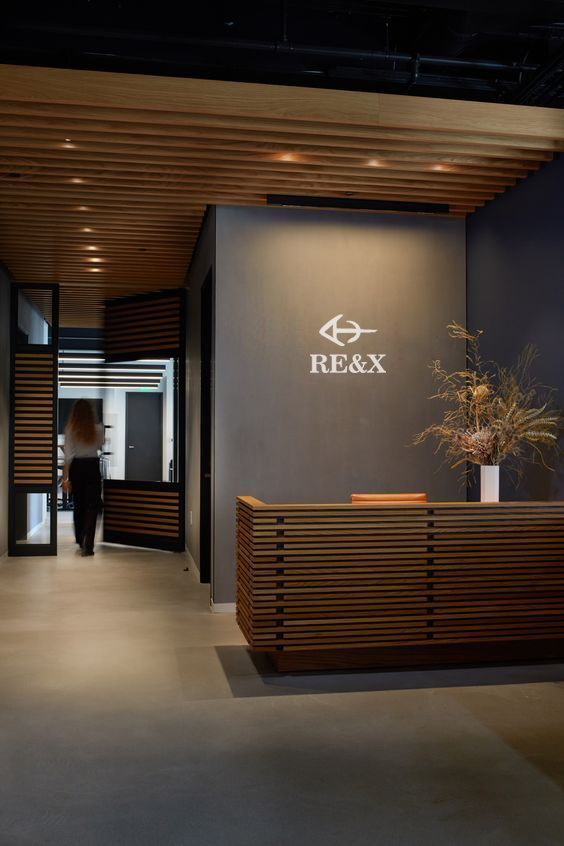
Have you ever wondered what goes into every pair of RE&X pants before they land in your wardrobe? Today, we pull back the curtain and take you through our complete design process, captured frame by frame in our studio.
Behind The Scenes: The Full Design Journey of RE&X Pants

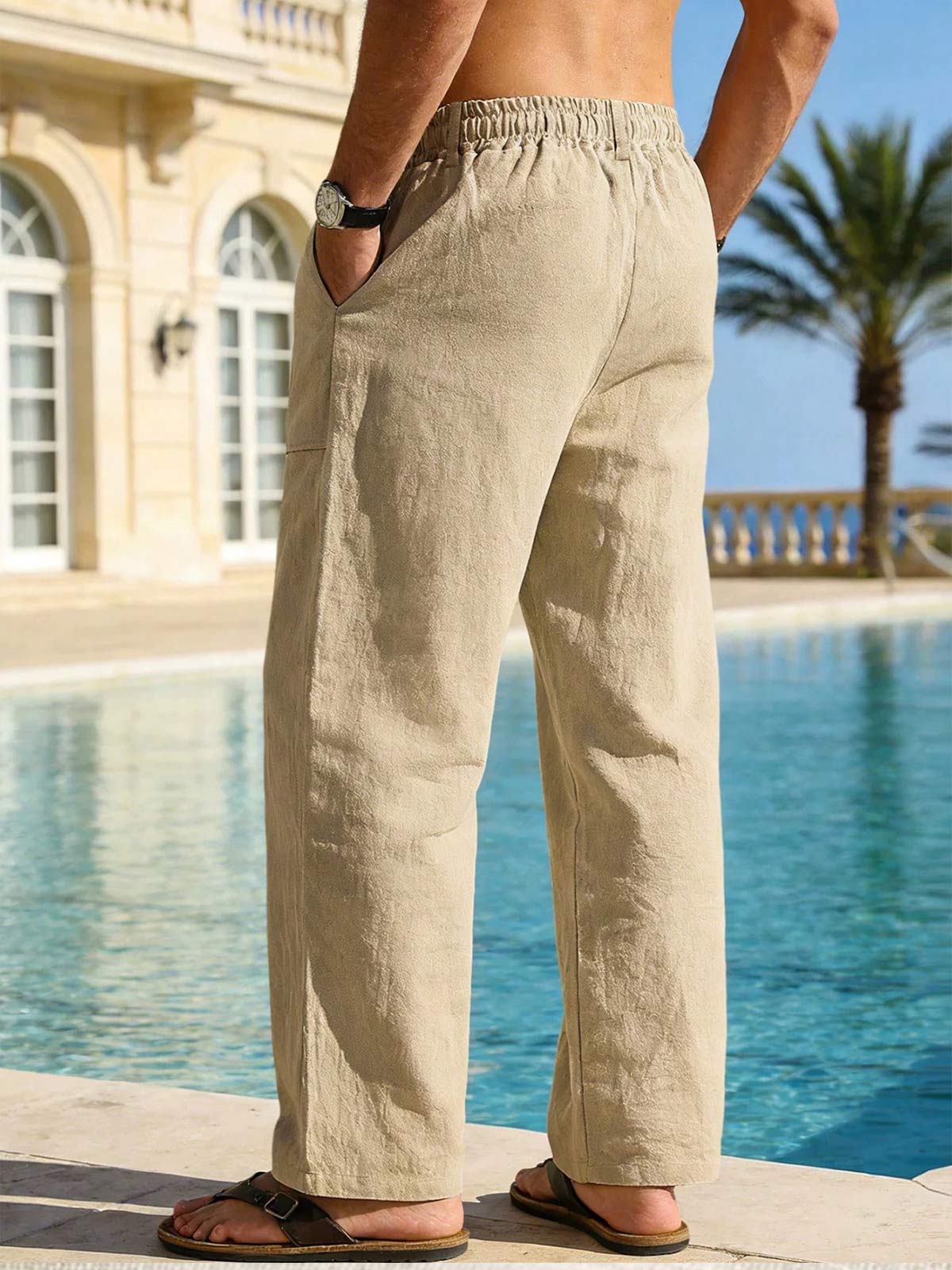
As spring blooms and summer heat sets in, updating your wardrobe with breathable, season-friendly pieces becomes essential. Among all warm-weather essentials, men’s linen trousers remain an irreplaceable staple for gentlemen who pursue comfort, texture, and timeless style.
Men’s Linen Trousers: 4 Spring & Summer Outfit Ideas