
How Tight Should Tactical Lightweight Pants Be?
author: Shirley Xie
2025-10-22
Choosing the correct fit for tactical lightweight pants is crucial for both performance and comfort. Too tight, and movement becomes restricted; too loose, and the pants may snag or hinder agility. The ideal fit allows for a full range of motion, easy access to pockets, and durability under strenuous conditions. Understanding the balance between tightness and mobility is essential for military personnel, law enforcement officers, outdoor enthusiasts, and anyone using tactical pants in active scenarios.

Why Does Fit Matter for Tactical Lightweight Pants?
Fit directly impacts functionality. Tactical pants are designed for physical activity, quick movements, and practical storage. If pants are too tight:
-
Movement can be restricted, affecting squats, climbing, or running.
-
Stress points may wear out faster, reducing the pants’ lifespan.
-
Discomfort can lead to distractions during missions or outdoor activities.
-
Conversely, pants that are too loose may:
-
Cause snagging on equipment or brush.
-
Reduce mobility due to excess fabric catching on obstacles.
-
Appear unprofessional in uniformed settings.
A proper fit is critical for tactical lightweight pants, ensuring both comfort and performance.
How Should Tactical Lightweight Pants Fit Around the Waist?
The waist fit is foundational. Pants should sit comfortably without requiring constant adjustment. Key points to consider:
-
Use the waistband and belt loops to secure the pants snugly.
-
Avoid extreme tightness, which may pinch the stomach during bending or crouching.
-
Pants that are too loose can slide down, especially during dynamic movements.
Most tactical lightweight pants feature adjustable waist tabs or belts, allowing for a personalized fit that maintains comfort while ensuring stability.
How Tight Should the Hips and Thighs Be in Tactical Lightweight Pants?
The hip and thigh areas are crucial for flexibility and mobility. Pants that are too restrictive in these regions can:
-
Limit squatting, running, or kneeling.
-
Cause fabric stress, leading to premature wear.
-
Create discomfort during prolonged use.
A slightly relaxed fit around the hips and thighs is generally preferred. This allows for full range of motion while still maintaining a streamlined appearance. Brands like RE&X recommend a fit that moves with the body rather than against it, particularly in tactical and outdoor environments.
How Should the Knee Area Fit for Tactical Lightweight Pants?
Knee fit is one of the most critical areas in tactical pants. Features to consider:
-
Reinforced or articulated knees are common in tactical lightweight pants for flexibility and protection.
-
Pants should allow bending without fabric pulling or restriction.
-
Extra room in the knee area helps accommodate knee pads or protective gear if needed.
A proper knee fit ensures that activities like crawling, climbing, or tactical maneuvers are comfortable and unrestricted.
How Tight Should Tactical Lightweight Pants Be Around the Calves and Ankles?
The lower legs affect both mobility and compatibility with boots:
-
Calf fit should be comfortable without tight compression unless the pants are designed for a tapered fit.
-
Pant legs should not bunch or drag over boots.
-
Some tactical pants include adjustable cuffs or elastic hems for a secure fit around boots.
Proper lower leg fit prevents snagging, reduces wear, and maintains a clean, functional silhouette.
What Materials Affect the Fit of Tactical Lightweight Pants?
Material composition impacts how pants feel and fit:
-
Ripstop nylon or polyester blends provide lightweight durability and slight stretch.
-
Cotton or cotton blends offer comfort but may shrink if not pre-washed.
-
Stretch fabrics improve mobility in tight areas such as hips and knees.
Choosing pants with the right material ensures that the fit remains consistent during activity and after repeated washes, which is why many professional brands, including RE&X, invest in high-quality fabrics for tactical lightweight pants.
How Can You Determine the Right Size Before Buying Tactical Lightweight Pants?
Proper sizing requires careful measurement:
-
Measure your waist, hips, inseam, and thigh circumference.
-
Compare measurements with the brand’s sizing chart.
-
Consider the intended activity—tight-fitting pants may be suitable for less intense tasks, while more relaxed fits are better for dynamic environments.
Trying on pants before purchase, if possible, ensures comfort and avoids returns. Always check for adjustable features like waist tabs, cuffs, and reinforced areas.
What Common Mistakes Do People Make When Choosing Tactical Lightweight Pants?
Some frequent errors include:
-
Choosing pants solely based on waist size, ignoring hip and thigh fit.
-
Selecting overly tight pants for style rather than functionality.
-
Overlooking adjustable features that can improve fit.
-
Ignoring material stretch and breathability.
Avoiding these mistakes ensures that tactical lightweight pants perform well during active use while remaining comfortable throughout the day.
How Should Tactical Lightweight Pants Fit for Different Activities?
The ideal fit varies by activity:
-
Military or law enforcement: Prioritize mobility and reinforced areas for high-intensity movements.
-
Outdoor or hiking: Balance comfort with durability and pocket accessibility.
-
Casual wear: Slim but not tight, focusing on comfort for extended wear.
Understanding the primary use ensures that pants are neither too restrictive nor excessively loose.
How Can Adjustments Improve the Fit of Tactical Lightweight Pants?
Even well-sized pants may require minor adjustments:
-
Use belts or waist tabs for stability.
-
Roll or secure pant cuffs over boots to prevent snagging.
-
Consider removable knee pads or inserts to enhance mobility in high-action scenarios.
These adjustments maximize comfort and efficiency, ensuring that tactical lightweight pants adapt to user needs.
How Do Tactical Lightweight Pants Enhance Overall Performance When Fitted Properly?
A proper fit impacts:
-
Mobility: Freedom to crouch, climb, and run.
-
Durability: Reduced stress points and longer lifespan.
-
Comfort: Less distraction from pinching, rubbing, or dragging fabric.
-
Professional appearance: Streamlined look that conveys readiness and organization.
Correctly fitted tactical lightweight pants are not just clothing—they are functional gear that supports performance.
Conclusion
Choosing how tight tactical lightweight pants should be is a balance between comfort, mobility, and durability. The right fit ensures flexibility in the hips, knees, and calves while maintaining stability at the waist. Material choice, size measurements, and activity type all influence fit, and adjustable features can further improve usability. Brands like RE&X demonstrate that high-quality design and attention to fit make tactical pants reliable gear for professionals and enthusiasts alike. By understanding proper sizing and fit principles, users can maximize performance and comfort in every scenario.
What Is the Main Difference Between Slim and Pencil Fit Trousers?
Is Brushed Denim Pants Soft?
Related Article
Quality clothing is an investment. Whether you reach for breathable linen trousers for warm spring and summer days, or sturdy denim jeans for everyday casual styling, proper care is the key to keeping their original texture, color, fit and comfort over time. Linen and denim are beloved wardrobe essentials, yet they behave very differently during washing and storage.
Care Guide: Washing & Maintenance Tips for Linen Trousers and Denim Jeans
Have you ever wondered what goes into every pair of RE&X pants before they land in your wardrobe? Today, we pull back the curtain and take you through our complete design process, captured frame by frame in our studio.
Behind The Scenes: The Full Design Journey of RE&X Pants

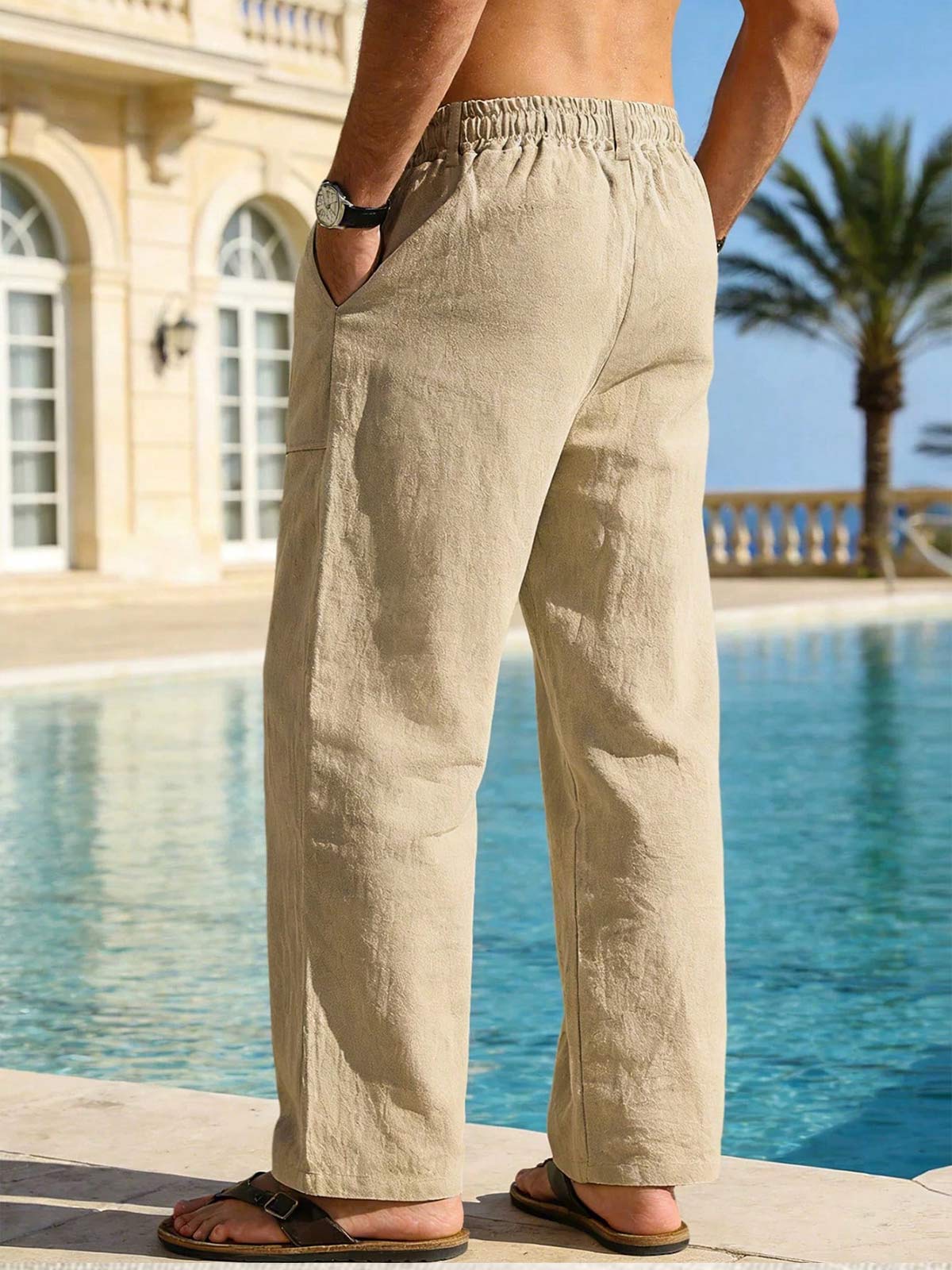
As spring blooms and summer heat sets in, updating your wardrobe with breathable, season-friendly pieces becomes essential. Among all warm-weather essentials, men’s linen trousers remain an irreplaceable staple for gentlemen who pursue comfort, texture, and timeless style.
Men’s Linen Trousers: 4 Spring & Summer Outfit Ideas