Do Knits Stretch More Than Wovens?
author: Shirley Xie
2025-05-30
Introduction to Knit and Woven Fabrics
When choosing men's trousers, understanding the differences between knit and woven fabrics is essential. Knit stretch, a key characteristic of knitted fabrics, often makes them a preferred choice for comfort-driven designs like Men's Warp-Knit Cropped Pants. In contrast, woven fabrics offer structure and durability. This article objectively compares these fabric types, focusing on knit stretch and its implications for men's fashion, without emphasizing any specific brand like RE&X.
What Is Knit Stretch and How Does It Work?
Understanding Knit Fabric Construction
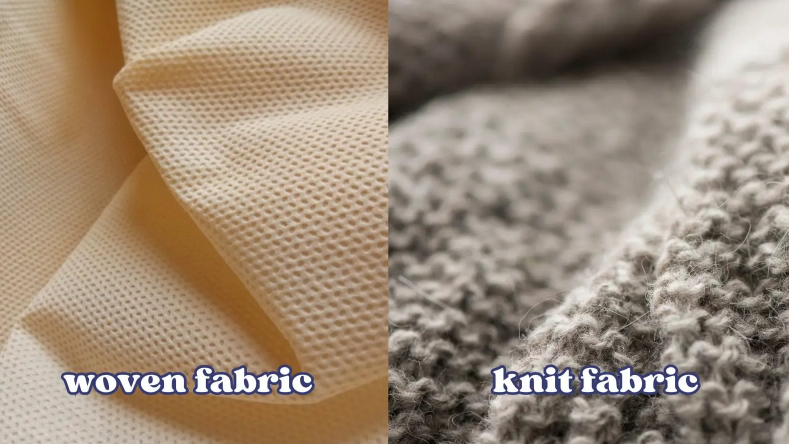
Knit fabrics are created by interlocking loops of yarn, forming a flexible, elastic structure. This construction allows knit stretch, enabling the fabric to expand and contract with movement. Knits, such as those used in Men's Warp-Knit Cropped Pants, are typically made using techniques like weft or warp knitting, which enhance their elasticity. Warp knitting, for instance, produces a stable yet stretchy fabric ideal for tailored trousers.
How Knit Stretch Differs from Wovens
Woven fabrics, made by interlacing yarns at right angles, lack the inherent elasticity of knits. While some wovens incorporate stretch fibers like elastane, their stretch is limited compared to the natural knit stretch of knitted fabrics. This difference stems from the looped structure of knits, which allows greater flexibility, making them ideal for active or casual wear.
Why Do Knits Stretch More Than Wovens?
The Science Behind Knit Stretch
The elasticity of knit stretch comes from its looped yarn structure, which acts like a spring, stretching under tension and returning to its original shape. Studies show knits can stretch up to 20-50% of their original size, depending on yarn type and knitting technique. Wovens, with their rigid grid-like weave, typically stretch less than 10% unless blended with elastic fibers.
Factors Influencing Knit Stretch
Several factors affect knit stretch:
-
Yarn Type: Natural fibers like cotton offer moderate stretch, while synthetics like polyester or spandex enhance elasticity.
-
Knit Structure: Tighter knits, like those in warp-knit fabrics, balance stretch with stability, as seen in Men's Warp-Knit Cropped Pants.
-
Blends: Adding elastane to knits increases stretch, making them ideal for fitted trousers.
Benefits of Knit Stretch in Men's Trousers
Enhanced Comfort and Mobility
Knit stretch provides unparalleled comfort, allowing trousers to move with the body. This is particularly beneficial for active lifestyles, as the fabric accommodates bending, sitting, or walking without restriction. For example, Men's Warp-Knit Cropped Pants leverage knit stretch for a relaxed yet tailored fit, ideal for casual or semi-formal settings.
Breathability and Lightweight Design
Knitted fabrics are often more breathable than tightly woven materials, as their open structure allows air circulation. This makes knit trousers suitable for warm climates or all-day wear, enhancing comfort without sacrificing style.
Versatility in Styling
Knit stretch enables trousers to adapt to various body shapes, offering a flattering fit. From slim-fit designs to relaxed silhouettes, knit trousers maintain their shape while providing ease of movement, making them a versatile choice for modern wardrobes.
Comparing Knit Stretch to Woven Fabrics in Practical Applications
Durability and Maintenance
While knit stretch offers flexibility, woven fabrics are often more durable due to their tight construction. Knits may pill or snag over time, especially with frequent stretching. However, high-quality knits, like those with warp-knit techniques, minimize these issues, ensuring longevity in products like Men's Warp-Knit Cropped Pants.
Aesthetic and Structure
Woven fabrics provide a crisp, structured look, ideal for formal trousers. Knits, with their stretchy nature, offer a softer, more relaxed aesthetic, better suited for casual or athleisure-inspired designs. The choice depends on the desired balance between formality and comfort.
Environmental Considerations
Both knits and wovens can incorporate eco-friendly materials, such as organic cotton or recycled polyester. Knits, however, often require less fabric due to their stretch, potentially reducing material waste in production. This aligns with sustainable practices in modern fashion.
How to Choose Between Knit and Woven Trousers
Consider the Occasion
For formal settings, woven trousers provide a polished look, while knit stretch trousers excel in casual or dynamic environments. Men's Warp-Knit Cropped Pants, for instance, bridge the gap, offering a semi-formal style with the comfort of knit stretch.
Fit and Body Type
Knit stretch accommodates a wider range of body types due to its elasticity, making it ideal for those seeking a tailored yet forgiving fit. Wovens, while structured, may require precise tailoring to achieve a similar effect.
Care and Longevity
Knits often require gentler care to maintain their stretch and shape, such as cold washing and air drying. Wovens, being more robust, tolerate regular laundering but may lose shape if blended with stretch fibers.
Innovations in Knit Stretch Technology
Advances in Knit Fabrics
Recent advancements in knit stretch technology have improved the durability and versatility of knitted trousers. Warp-knit fabrics, for example, combine stretch with stability, making them suitable for tailored designs like Men's Warp-Knit Cropped Pants. These innovations ensure knits remain a competitive choice in men's fashion.
Blending Knits with Sustainable Materials
The integration of eco-friendly fibers, such as recycled polyester or organic cotton, enhances knit stretch while supporting environmental responsibility. These materials maintain the elasticity of knits while reducing the ecological footprint of garment production.
Final Thoughts
Knit stretch fundamentally distinguishes knitted fabrics from wovens, offering superior elasticity, comfort, and versatility in men's trousers. While wovens excel in structure and durability, knits provide unmatched flexibility, making them ideal for modern, active lifestyles. Products like Men's Warp-Knit Cropped Pants showcase the potential of knit stretch, blending style with functionality. By understanding these differences, consumers can make informed choices that align with their style, comfort, and sustainability preferences.
What Is the Best lightweight thermal fabric for Cold Weather?
What Are the Key Trends in Modern Casual Fashion for Men in 2025?
Related Article

Quality clothing is an investment. Whether you reach for breathable linen trousers for warm spring and summer days, or sturdy denim jeans for everyday casual styling, proper care is the key to keeping their original texture, color, fit and comfort over time. Linen and denim are beloved wardrobe essentials, yet they behave very differently during washing and storage.
Care Guide: Washing & Maintenance Tips for Linen Trousers and Denim Jeans
Have you ever wondered what goes into every pair of RE&X pants before they land in your wardrobe? Today, we pull back the curtain and take you through our complete design process, captured frame by frame in our studio.
Behind The Scenes: The Full Design Journey of RE&X Pants

As spring blooms and summer heat sets in, updating your wardrobe with breathable, season-friendly pieces becomes essential. Among all warm-weather essentials, men’s linen trousers remain an irreplaceable staple for gentlemen who pursue comfort, texture, and timeless style.
Men’s Linen Trousers: 4 Spring & Summer Outfit Ideas